

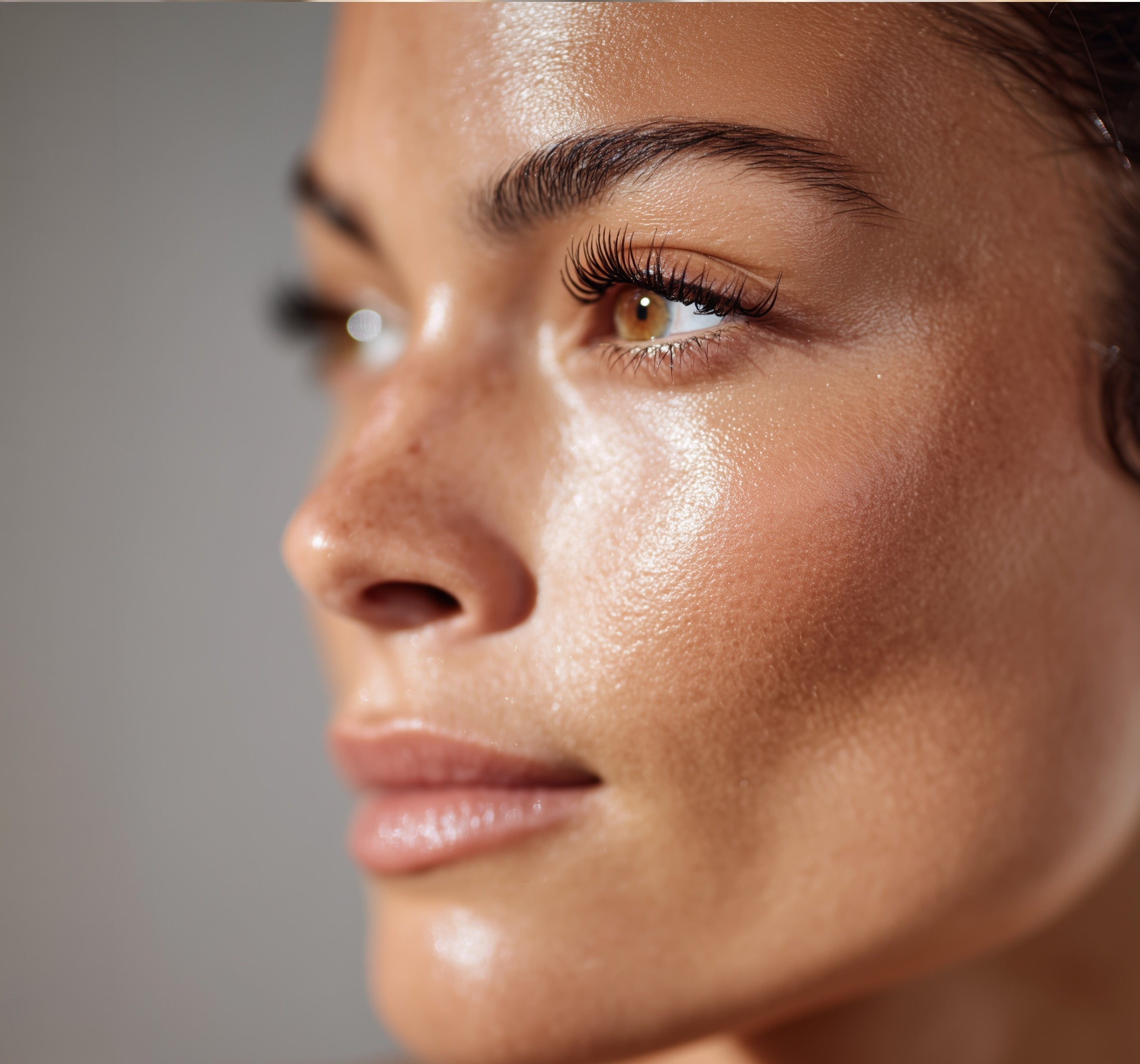
Lash Extensions for Oily Skin Clients
First off, let’s call a spade a spade: oil and lash adhesive are like oil and water - they just don't mix. Or more accurately, they’re like Taylor Swift and Kanye - nothing but drama when they’re in the same room.
Natural Oils: The Ultimate "Home-Wreckers"
Your client’s skin produces sebum, which is great for keeping them looking young and wrinkle-free (lucky them!), but for us? It’s public enemy number one. Lash adhesive, specifically cyanoacrylate, is a bit of a "diva." It needs a pristine, bone-dry surface to create a molecular bond.
When that oil starts creeping down the hair follicle, it acts like a tiny crowbar, slowly prying the base of the extension away from the natural lash. It’s a "slow burn" disaster. Before you know it, the bond is compromised, and the extensions start dropping like flies. If you’re not careful, you’re basically trying to build a house on quicksand.
The "Shedding Season" Struggle
Sometimes it feels like oily-skinned clients are on a different planet when it comes to their lash cycle. Oily skin often goes hand-in-hand with higher body heat or faster metabolisms, which can kick the natural lash shedding cycle into high gear. If their lashes are hitting the road before their time, you’re fighting an uphill battle. It’s like trying to fill a bucket with a hole in the bottom, you’ve got to work twice as hard just to stay level.
Common Challenges: The Struggle is Real
Being a lash tech isn't all "glitz and glam." Sometimes it’s more like being a forensic scientist trying to figure out why a set went south.
The Dreaded "Retention Ghosting"
We’ve all been there. You finish a set, it’s a 10/10, no notes. The client leaves looking like a total smoke show. Then, 48 hours later, she sends a photo of her bathroom sink covered in extensions. It’s enough to make you want to "quit the fam" and move to the woods. Poor retention is the fastest way to lose a loyal customer, and with oily skin, the margin for error is razor-thin. You can’t afford to "wing it."
Glue Curing: A Game of "Cat and Mouse"
Oily skin usually means the skin is warmer. Heat speeds up the drying time of your glue. If your glue cures before it even hits the lash, you get what we call a "false bond." It looks attached, it feels attached, but the second she brushes them? Thank u, next. The extension pops off because the glue didn't actually wrap around the lash, it just sat on top like a dry crust.
How to Prep: Don’t Skimp on the "Dirty Work"
If you want to win this war, your prep needs to be "God-tier." Let’s find out how to prep lashes for oily clients.
Scrub-a-Dub-Dub: Deep Cleansing
Don’t forget about being gentle. Okay, don't hurt them, you don’t need to scrub like you’re trying to get a red wine stain out of a white carpet. Use a high-quality Lash Shampoo, and a fluffy brush.
Pro Tip: For the real oily eyelashes wash them twice. Rinse, lather, repeat. You want those lashes so clean they literally squeak. If there’s even a microscopic film of oil left, you might as well be flushing your money down the drain.
Priming: The "Secret Sauce"
If shampoo is the appetizer, primer is the main course. An alcohol-based primer is your best friend here, dealing with lash extensions for oily skin. It strips away any remaining oils and slightly opens up the hair cuticle. The glue needs something to grab onto.
The Golden Rule: Avoid Over-Prepping
Don't get carried away, though. If you use too much primer or harsh chemicals, you’ll dry out the natural lash so much that it becomes brittle. Brittle lashes snap. It’s a delicate balance. You want them "just right"—clean, matte, and ready for action.
Best Products: Don't Bring a Knife to a Gunfight
If you’re using "budget" products on an oily client, you’re setting yourself a lash extension retention trap.
Stronger Adhesives: The "Big Guns"
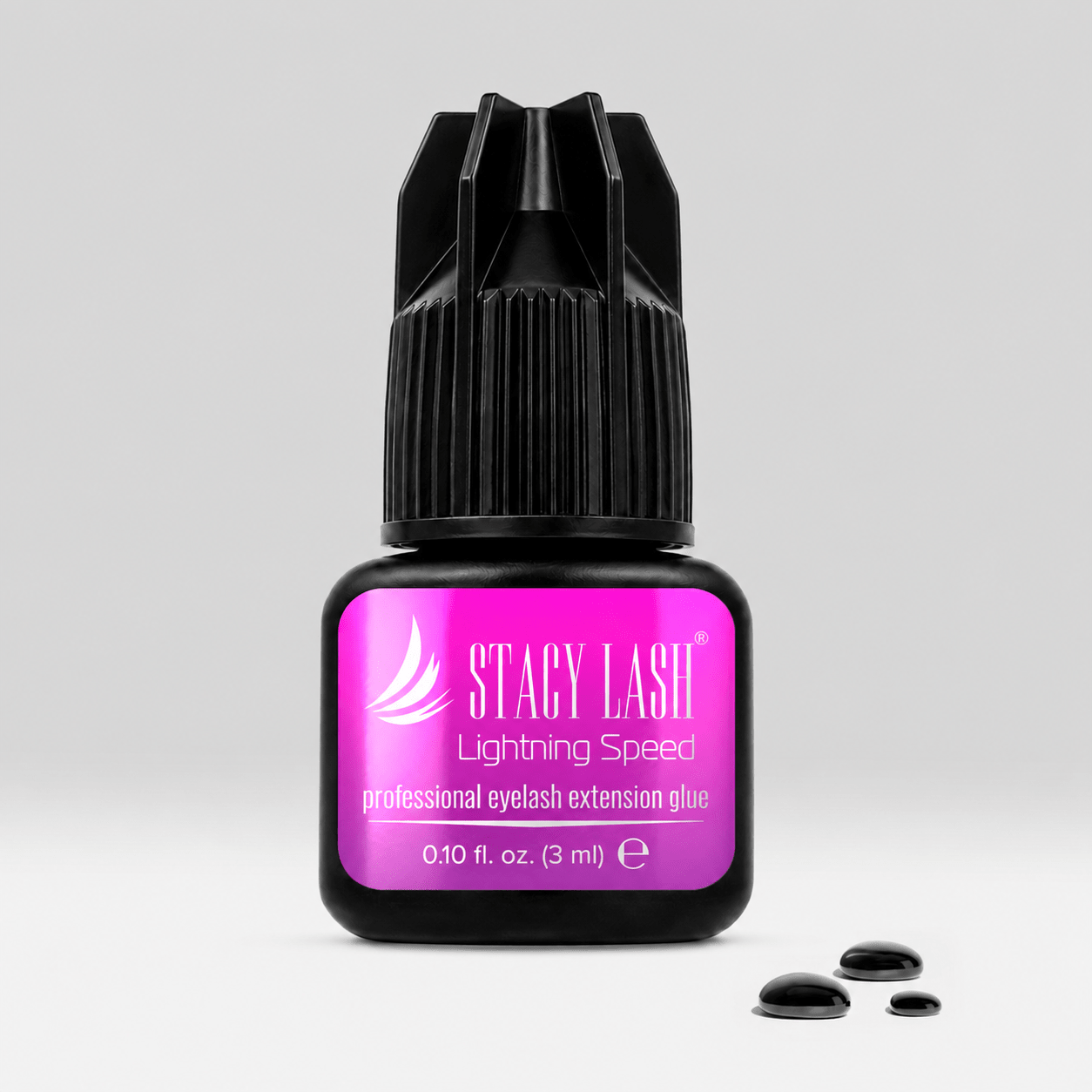
For oily skin lash retention, you need a glue that doesn't mess around. You want something with a lightning-fast dry time. Why? Because the faster it cures, the less time the oil has to interfere with the process. Check out the Lightning Speed. This glue is the best lash glue for oily skin. They’re designed for pros who need a bond that can survive a hurricane (or at least a very oily T-zone).
Sealants and Bonders: The "Insurance Policy"
Once you’ve finished the set, don't just send them out into the wild. Use a bonder. This product instantly polymerizes the glue and seals the bond. It’s like the clear coat on a fresh manicure — it protects the work from the elements (and the oil) immediately.
Application Tips: Precision is the Name of the Game
You can have the best products in the world, but if your technique is "mid," your results will be too.
The Right Amount of Glue
When you’re nervous about retention, the temptation is to "drown" the lash in glue. Resist that urge! Too much glue takes forever to dry, which is an open invitation for oil to come in and ruin the party. You want a tiny, perfect bead that wraps around the natural lash like a "hug." Keep it "short and sweet."
Isolation: Don't Get "Sticky"
Isolation is the "bread and butter" of lashing. If you’re not isolating perfectly, you’re going to get stickies. On an oily client, a sticky isn't just uncomfortable—it’s a disaster. If one lash is oily and it touches another, the oil spreads like a wildfire. Stay focused, keep your eyes on the prize, and isolate like your life depends on it.
Aftercare: Give Them the "Riot Act"
You can do everything perfectly at the station, but if your client goes home and acts like a "hot mess," the lashes are doomed. You have to educate them.
"Wash Your Lashes!" (Yes, Every Day)
There is a massive myth out there that water kills lashes. That is "fake news." For oily skin, NOT washing lashes is the death knell. They need to be using a lash-safe cleanser every single night to wash away the day's oil production. It’s "non-negotiable." Tell them if they don't wash, they’re basically "paying to play" and losing every time.
Oil-Free Everything
This should go without saying, but remind them to check their skincare. If they’re using a heavy eye cream or an oil-based makeup remover, they might as well be using a "get out of jail free" card for their extensions. Tell them to keep it "clean and lean." If they see the word "Argan" or "Mineral," they need to "swipe left."
FAQ
Q: Do lash extensions actually work on oily skin?
A: Yep! They just require a little more TLC. It’s not a "lost cause," it just means the prep and the products have to be top-tier. If you follow the protocol, oily-skinned beauties can rock a set just as well as anyone else. It’s all about the "prep work."
Q: How can I make my lashes last longer if I have oily skin?
A: Cleanliness is next to Godliness. Wash them daily, use oil-free products, and don't touch them! Your fingers have natural oils too, so keep your hands to yourself.
Stay Classy, Stay Lashy
Lashing oily skin is a labor of love. It takes patience, the right tools of the trade, and a whole lot of education. But when you get it right? It’s the most satisfying feeling in the world. You’ve conquered the final boss, and your client looks like a million bucks.
So, don't let a little sebum get your goat. Head over to Stacy Lash, stock up on the good stuff, and show those oily lashes who’s boss. You’ve got this! Now go forth and slay, one lash at a time.
And remember: retention is king, but prep is the queen who actually runs the show. Stay sharp!





Dejar un comentario
Este sitio está protegido por hCaptcha y se aplican la Política de privacidad de hCaptcha y los Términos del servicio.