

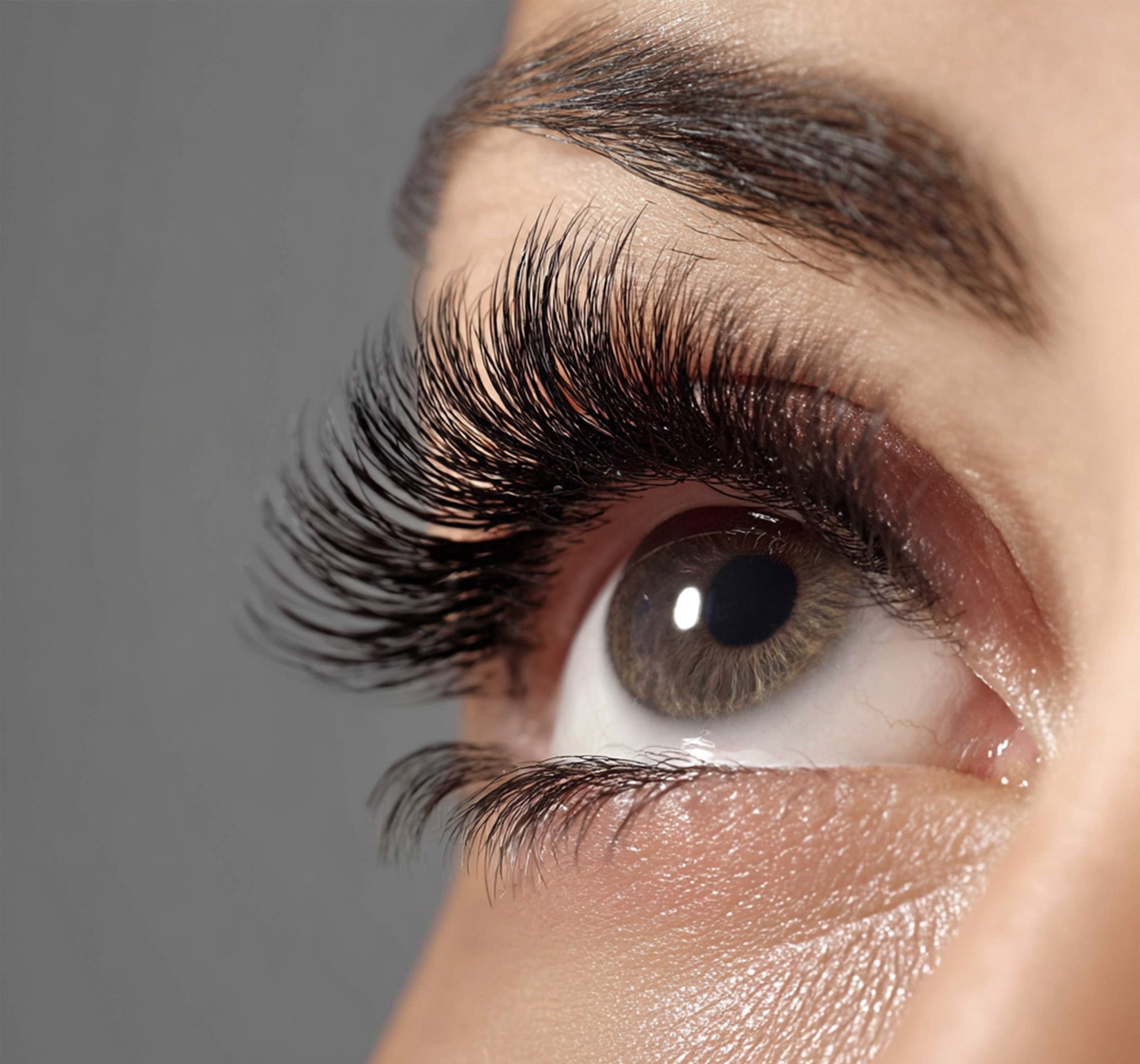
How the Eyelid Microbiome Affects Retention
Lash retention is the holy grail of the lash world. It’s the thing clients judge you on silently, like Olympic referees with clipboards, even if they swear they’re “low maintenance.” When extensions stay put for the full wear cycle, everyone’s happy. When they don’t, panic sets in. Suddenly, you’re rechecking your adhesive, side-eyeing the humidity, questioning your isolation like it personally betrayed you.
Most lash artists are trained to troubleshoot the usual suspects. Adhesive choice, curing speed, room conditions, application technique — the classics. But there’s a sneaky little player in the game that doesn’t get nearly enough airtime: the eyelid microbiome. Yes, your client’s lash line has a whole microscopic ecosystem going on, like a tiny Coachella you never asked for.
Here’s the plot twist. A lot of retention problems aren’t caused by sloppy work or the “wrong” glue. They’re biological. And once you understand how the eyelid microbiome interacts with eyelash extensions, you stop chasing your tail and start solving problems at the root instead of swapping products like it’s a reality dating show.
So… What Is the Eyelid Microbiome Anyway?
The eyelid microbiome is basically the group chat of microorganisms living along the eyelid margin and inside lash follicles. It includes bacteria, fungi, and yes, Demodex mites — microscopic freeloaders that sound fake but are very real. Everyone has them. Even the cleanest client who swears they “barely touch their eyes.” They’re there. Always.
When things are balanced, the microbiome actually supports healthy skin and lash growth. Oil production behaves itself. The skin barrier does its job. Everything is chill. When balance is lost, though, it’s chaos. Bacteria overgrow, oil production goes into overdrive, debris builds up, and suddenly your perfectly applied set doesn’t stand a chance.
For lash artists, this balance directly affects hygiene, adhesion, and long-term retention. You can isolate like a surgeon and still lose the battle if the lash line chemistry is working against you.
How the Eyelid Microbiome Wrecks Lash Retention (Quietly)
Let’s talk about bacteria first. Cyanoacrylate adhesives are powerful, but they’re not invincible. Excess bacteria at the lash line can literally weaken adhesive bonds over time. Think of it like termites slowly eating away at a wooden house. Everything looks fine… until it’s not.
Then there’s oil. Sebum, dead skin cells, leftover makeup — all of it creates a slippery barrier between the natural lash and the extension. You might think you’ve prepped perfectly, but if the lash line chemistry is off, bonding becomes a losing game. This is why some clients swear their lashes “just don’t last,” no matter who applies them.
And then we have Demodex mites, the uninvited guests. They feed on oil and debris, multiply when hygiene slips, and cause inflammation at the follicle level. Inflamed follicles mean weaker natural lashes. Weaker lashes mean extensions that twist, slide, or shed unevenly. It’s not personal. It’s biology.
Microbiome-related retention issues often show up in patterns. Extensions fall out. Lash bases feel sticky even after cleansing. Clients complain about itching or redness. Retention fails fast despite a textbook-perfect application. These are signs, not coincidences.
Adhesive Chemistry Meets Microbiome Reality
Cyanoacrylate adhesives cure through moisture and react to their environment like a diva under bad lighting. Oil changes curing speed. Bacteria mess with polymer stability. Microbial activity can literally shorten the life of a bond that looked solid on day one.
This is why some clients have retention issues even when everything seems right. The room is controlled. The adhesive is top-tier. The technique is flawless. And yet the lashes don’t last. In these cases, the problem isn’t the artist — it’s microbiome-driven adhesion failure.
Understanding these eyelash extension tips is huge for professional confidence. It shifts the narrative from “What did I do wrong?” to “What’s happening biologically at the lash line?” That’s not an excuse. That’s next-level professionalism.
Client Habits That Throw the Microbiome Off Balance
Clients don’t sabotage retention on purpose, but habits matter. Skipping lash cleansing is a big one. Oil-based skincare creeping too close to the lash line is another. Rubbing eyes like they’re trying to erase a bad memory doesn’t help either.
Heavy eye makeup that isn’t fully removed turns into a buffet for bacteria. Wearing extensions for weeks without proper washing creates the perfect environment for microbial overgrowth. Sleeping face-down adds friction and oil transfer into the mix. None of this is dramatic — it’s just reality.
When these habits stack up, retention doesn’t stand a chance, no matter how skilled the artist is.
How Lash Artists Can Spot Microbiome Trouble
A trained eye can catch microbiome issues early. Crusting at the lash base. Persistent redness. Excessive oiliness that returns minutes after cleansing. Sticky roots. Even an unpleasant odor after washing — all of these are red flags waving politely but firmly.
When signs point to inflammation, blepharitis, or severe Demodex activity, ethical professionals pause services and refer clients to a medical provider. This isn’t rejection. It’s responsibility. Great lash artists know when to say “not yet.”
Helping Clients Fix the Root of the Problem
Improving the eyelid microbiome starts with proper eyelash extension hygiene. Daily, gentle, consistent cleansing with a pH-balanced lash shampoo removes oil, bacteria, and debris without wrecking the skin barrier. This isn’t optional care — it’s foundational.
Lash shampoos should be oil-free, non-irritating, and safe for daily use. Not harsh. Not overly scented. Just effective. Hygiene habits matter too. Clean brushes. Fresh towels. Replacing old eye makeup. Hands off the lash line unless they’re clean.
When Demodex and lash extensions collide, tea tree–based products can help, but severe cases belong in a medical office, not a lash bed. Knowing that boundary is part of being a true professional.
Professional Strategies That Actually Improve Retention
Retention starts before the first extension is placed. Thorough cleansing and controlled priming set the stage and know exactly how to make lash extensions last longer. Overdoing prep can be just as harmful as underdoing it, especially for already imbalanced clients.
Technician hygiene matters too. Clean tools, sanitized surfaces, fresh applicators every time. No shortcuts. Ever.
Product strategy should be tailored, not one-size-fits-all. Bonders can stabilize curing. Adhesive choice may need adjustment for oil-prone clients. Education is key. When clients understand why they’re doing aftercare, compliance skyrockets.
Let’s Bust Some Retention Myths
Myth: Washing lashes makes them fall out
Fact: Clean lashes retain extensions longer
Myth Retention issues are always the lash artist’s fault
Fact: Many issues are biological, not technical
Myth: Oil and bacteria don’t affect adhesive
Fact: They are among the biggest retention disruptors
Retention Is Science, Not Magic
The eyelid microbiome is one of the most powerful, misunderstood factors in lash retention. When lash artists understand how bacteria, oil production, and Demodex affect eyelash extensions, they stop guessing and start leading.
Retention isn’t just about glue or technique. It’s about biology, hygiene, and awareness. When professionals address the microbiome, they don’t just improve results — they raise the standard for the entire industry.
And honestly? That’s a flex worth having.





Dejar un comentario
Este sitio está protegido por hCaptcha y se aplican la Política de privacidad de hCaptcha y los Términos del servicio.