

Article: Medical Contraindications for Eyelash Extensions: A Safety Checklist for Lash Artists
Medical Contraindications for Eyelash Extensions: A Safety Checklist for Lash Artists
Let’s talk about the part of being a lash artist that doesn’t always make it into the gorgeous before-and-after Reel: knowing when not to pick up your tweezers.
We go crazy about the manga effect. Can’t imagine our day without curl mix. Our hearts skip a beat when the client checks the mirror and looks at you like you’ve just handed her the million-dollar check. U know, those moments we lash for.
But let's recall Jung and his shadow. This shadow exists in lashing as well. It’s when you face darker parts of client communication. Like knowing when a client’s health, eye condition, or medical history makes the appointment a bad idea. Yeah, kind of unfair to shapeshift to Dr. House with a lash cart. However, it might be a good idea to recognize potential red flags and know when a service should be postponed or a client referred to a healthcare professional.
Why a Pre-Service Screening Checklist Matters
October is in full swing, so time for a spooky campfire story. Your client arrives on time, shows lashspiration reference, and gets ready for the wispy set of her dreams. Everything looks promising. Then, halfway through the left eye, she casually mentions that her eyelids have been swollen and itchy since yesterday. Farewell, wispy set. You’ll remain the one that got away.
Eyelash extensions involve adhesives, close contact with delicate skin, and tools working mere millimeters from the eyes. That’s why a consultation has to be the start of your fairytale, and shouldn’t be a quick “Any allergies? No? Great, lie down.”
Your pre-appointment checklist
Before every new set, and whenever a returning client’s circumstances have changed, ask about:
- Known allergies: Especially previous reactions to lash adhesives, cosmetics, tapes, latex, or products used around the eyes.
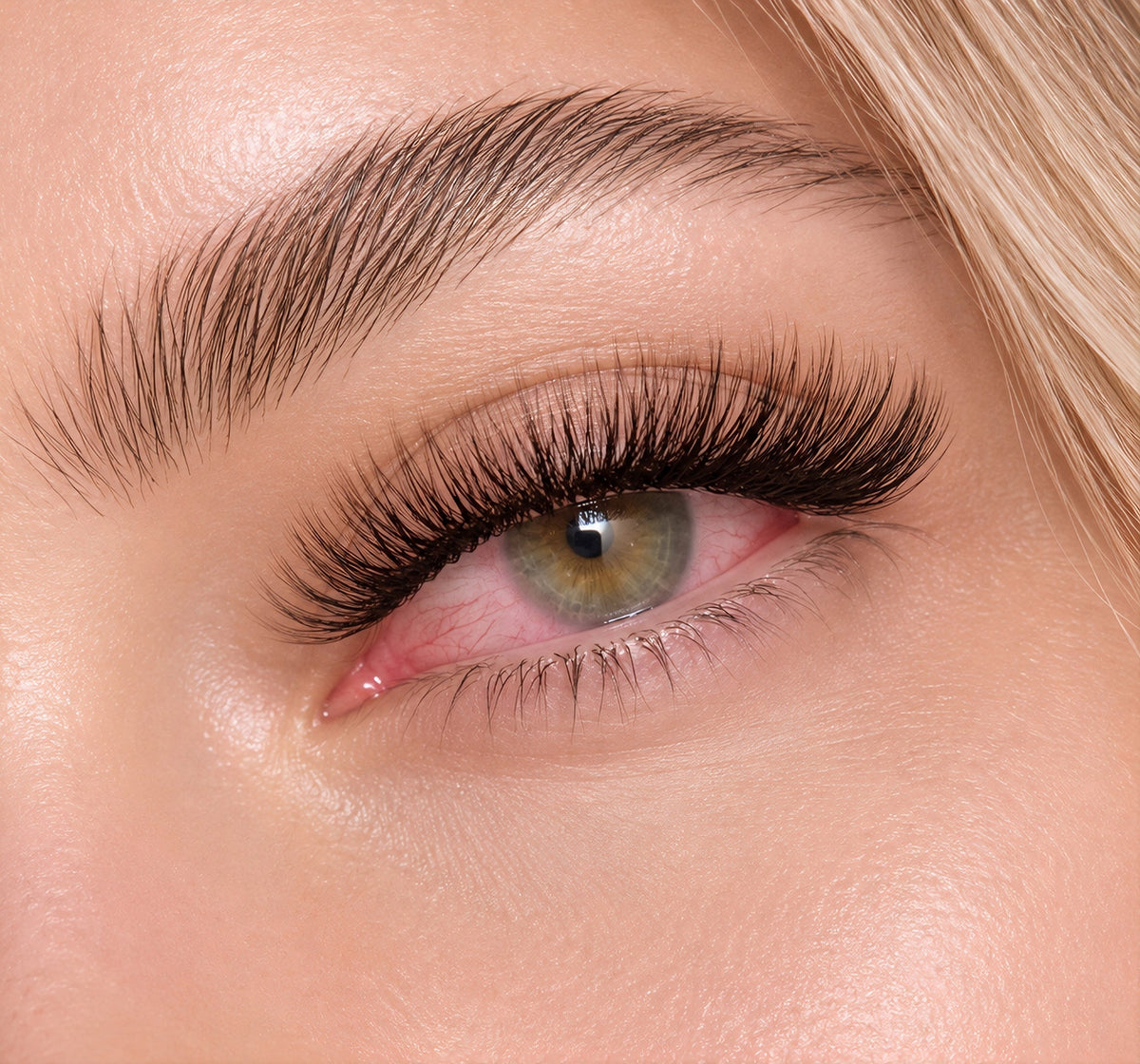
- Current eye symptoms: Redness, itching, pain, discharge, swelling, or unusual tearing.
- Existing eye conditions: For example, blepharitis, conjunctivitis, significant dry eye, etc.
- Recent eye procedures or injuries: The client may need clearance from their eye-care professional before receiving a cosmetic service.
- Relevant medications and treatments: Some can affect tear production, skin sensitivity, or eye comfort.
- Pregnancy and other health-related concerns: These may call for extra caution and an individualized discussion with the client’s healthcare provider.
You don’t need to interrogate people like they’re applying for a top-secret government position. Stay relaxed, but don’t keep your guard down. If you spot active inflammation, a suspected infection, unexplained swelling, or other concerning symptoms, postpone the appointment and recommend appropriate medical advice.
Eyelash Extensions and Allergies: What to Watch For
Allergy is a word with many meanings and outcomes. A client might have worn mascara for years without a single problem and still react to lash extension adhesive. Another client might have had several perfectly comfortable appointments before developing a reaction later on.
So, if someone has never been allergic to anything before, that’s not a lifetime safety certificate. Unfortunately.
Can someone be allergic to lash glue?
Alas. Adhesives used for eyelash extensions can cause allergic reactions. Symptoms may include:
- Itching around the eyelids.
- Redness or a rash.
- Swollen eyelids.
- Burning or irritation.
- Symptoms that develop hours or even days after the appointment.
Symptoms can appear after the client has left your studio, and that means a perfect-looking appointment finish doesn’t guarantee that everything will remain fine. Hate to rain on your parade, but know what to expect.
What if the client is allergic to makeup?
We are going to use cosmetic products here. At least our lash cleanser will surely make its way to client’s eyelids. Ask what product caused the reaction, what symptoms occurred, and if the ingredient responsible was identified.
If the client has a known allergy to an ingredient in your adhesive or another product you use, don't proceed with that product. Let them bring the safer alternative along. What you can do to lower the risk, is choose products with balanced pH.
What about patch testing?
If a client has a suspected or confirmed adhesive allergy, the safest next step is to take the mildest glue you have and perform a patch test.
Here's your rule of thumb: a history of allergic reactions deserves a conversation. And such clients may have to part ways with sets that take 3 or more hours, as long exposure to fumes isn’t what they can handle.
If a client develops significant swelling, eye pain, vision changes, or other severe symptoms after a lash service, they need to return for a removal session. It’s sad, but what other choice do we have when eye health is at stake?
Eyelash Extensions During Pregnancy: Is It Safe?
If you know what you’re doing, and you’re confident about your skill, your pregnant client can totally trust you and rock those lashes with style. We just may need to handle everything with extra care.
Start with an honest conversation
If your client tells you she's pregnant, discuss practical considerations that have nothing to do with chemical exposure. As pregnancy progresses, lying flat for a long appointment may become uncomfortable. Hormonal changes can affect mood, and some clients may find the lashing process overwhelming.
What about lash glue fumes?
Pregnant clients may react to fumes just like anybody else. Pregnancy itself doesn’t make the chances of irritation higher. However, she doesn’t need unnecessary stress when expecting a little one. Regretfully, low-fume adhesive is not the same thing as a guarantee of safety. A product marketed as low-fume may reduce some exposure or discomfort, but we have to remember that cyanoacrylate is still present.Good ventilation, appropriate product handling, and following manufacturer instructions are important studio practices regardless.
Don't make the pregnancy decision for your client, and don't dismiss her concerns. Give her accurate information, encourage a conversation with her healthcare provider, and respect the decision to postpone. We always have to ensure the client is totally comfortable.
Eyelash Extensions and Blepharitis or Other Eye Conditions
Let's talk about the conditions that can turn an ordinary appointment into a challenge.
Blepharitis: when the lash line needs attention, not extensions
Blepharitis is inflammation of the eyelids. Common signs include redness, itching, burning, soreness, and crusty or flaky buildup around the base of the eyelashes. It can be chronic, and symptoms may come and go.
However, it’s not strictly forbidden to allow such clients to get their dreamy set. You should just pay attention to the severity of the state and discuss it with a client. Attaching extensions while the eyelids are actively inflamed can add irritation and make cleansing more difficult. If a client has active blepharitis symptoms, postpone the appointment. Lashes mean happiness, but not when they are constantly uncomfortable to wear.
Conjunctivitis and suspected eye infections
Conjunctivitis may be infectious or noninfectious. Either way, if the client has an active suspected eye infection, discharge, significant redness, or unexplained irritation, don't proceed.
Wait until the condition has resolved and the client has received medical guidance when needed. If the client has been diagnosed with an infection, follow their healthcare professional's recommendations about when cosmetic eye treatments can resume.
Your appointment calendar may be fully booked, but germs don't care about your cancellation policy.
Dry eye and other ocular surface conditions
You should tell the client that extensions won’t worsen the conditions. However, there will be a need for additional eye drop usage and other extra steps. That makes extensions quite a high-maintenance thingy. Dry eye can cause burning, stinging, redness, a gritty feeling, and fluctuating discomfort. Some clients have mild symptoms; others struggle with persistent irritation.
If your client understands that and promises not to mess with extensions and leave them be, ensuring minimal pressure, there is no need to turn them down. That said, only when they’re completely aware of what they’re living with. Unnecessary surprises are not wanted. Not today, or ever.
Recent eye surgery, injury, or treatment
A client who recently had eye surgery, suffered an eye injury, or is receiving treatment for an eye condition may need to avoid cosmetic procedures while healing. There is no single waiting period that works for every procedure or injury. The type of treatment, healing progress, and individual circumstances matter.
Don't make up a rule like “two weeks is always enough.” Ask the client to follow their surgeon's or eye-care professional's instructions and obtain clearance when needed. And if you're ever unsure whether a condition is a contraindication, it's perfectly acceptable to pause and seek guidance.
Medications That May Affect Lash Extension Safety
This is not an invitation to inspect your client's prescription bottles and play pharmacist. It’s just that some medications have known effects that indirectly affect how comfortable your client feels with eyelash extensions.
Treatments that can cause dryness
If a client is taking some medications and reports dry, irritated, or inflamed eyes, postpone the service if symptoms are active.
Antihistamines
Some antihistamines and other medications can contribute to dry eye. If the client reports uncomfortable dryness, sensitivity, or other symptoms, you should let them know that extensions are a fragile thing. And they don’t get along with rubbing or touching.
Eye drops and prescription treatments
If a medication or its side effects could affect the safety of the service, recommend that the client ask their prescriber or eye-care professional.
When and How to Politely Decline a Service
Saying no can feel awkward, especially when they drove across town, for example. You want to help, and you definitely don't want her walking away feeling upset.
However, there’s time when you have to at least talk. And turn them down out of kindness. In fact, that defines a professional. You don’t chase income, you chase quality.
Situation 1: The client has swollen, itchy eyelids
Try saying: “I'm sorry, but because your eyelids are currently swollen and irritated, I don't feel comfortable proceeding with the lash service today. I want to make sure your eyes are okay first. Please have the symptoms checked by an appropriate healthcare professional, and we can discuss rescheduling once it's safe to do so.”
Situation 2: The client has a known adhesive allergy
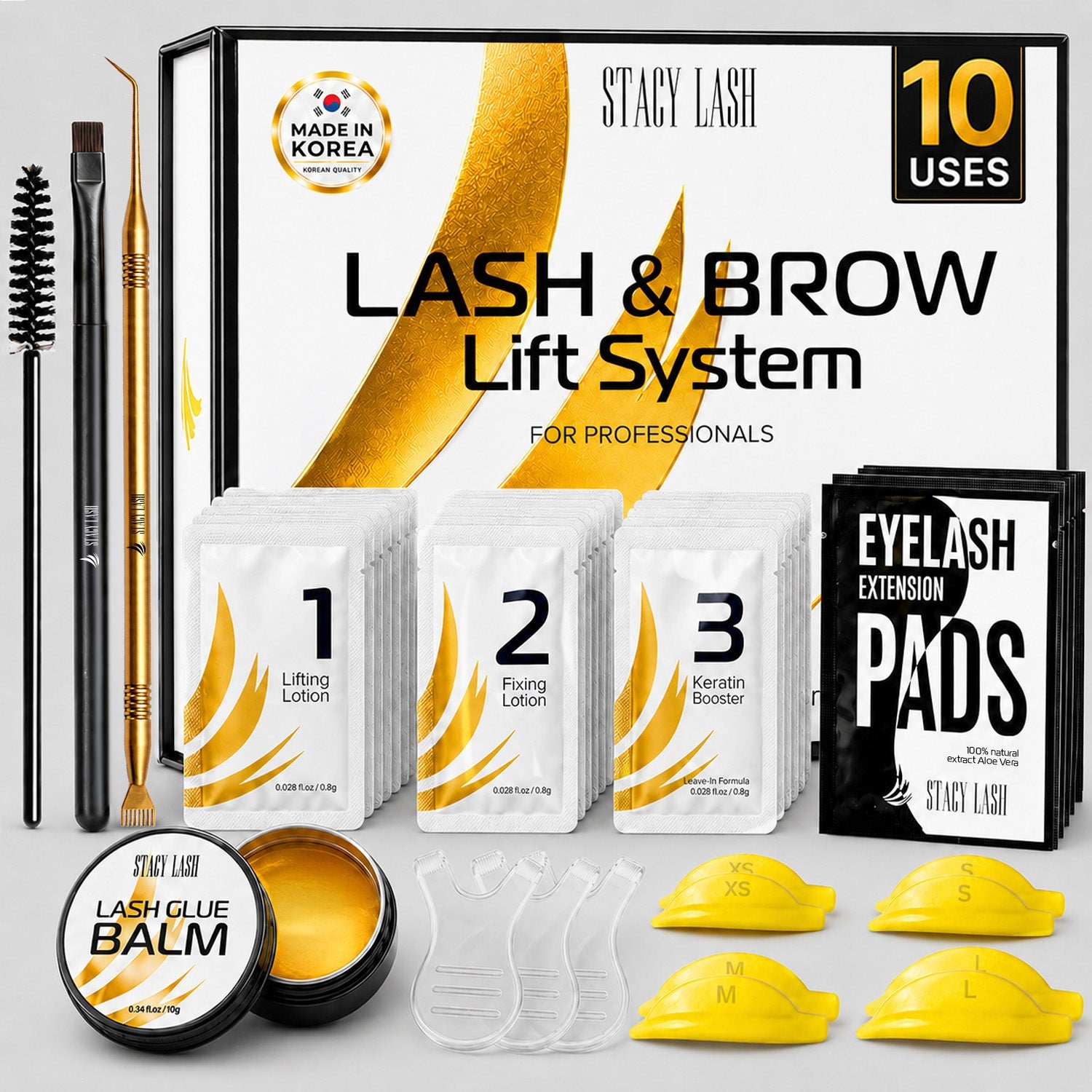
Try saying: “Thank you for letting me know about your previous reaction. Since lash adhesives can cause allergic reactions, I don't want to risk exposing you to something that could trigger another one. Before we put you on a lash bed, we need to at least discuss the most suitable glue option and perform a patch test. Better yet, how about a lash lift?”
Situation 3: The client is pregnant and unsure about the procedure
Try saying: “I'm happy to talk through the procedure and products with you. I want you to feel informed and comfortable before we decide whether to go ahead.”
Situation 4: The client recently had eye surgery
Try saying: “Because you've recently had an eye procedure, I need to make sure your eye-care professional is happy for you to have extensions before we continue. Let's postpone today's appointment until you've received the appropriate clearance.”
And if a client pushes back? Explain that you want them to have awesome lashes just as much. You just can’t allow yourself to do a slapdash job. A reschedule is disappointing. But a lash set that makes everyone upset is a whole different level of frustration.
A few studio habits that make screening easier
- Keep a consistent consultation form for new clients.
- Ask returning clients whether anything has changed since their last appointment.
- Record relevant information securely and respect client confidentiality.
- Follow your adhesive manufacturer's instructions and your local professional requirements.
- Know your referral boundaries: medical symptoms belong with qualified healthcare professionals.
- Have a clear policy for postponements related to active eye symptoms or other safety concerns.
FAQ: Your Eyelash Extension Contraindication Questions, Answered
Q: Can you get eyelash extensions if you're allergic to makeup?
A: It depends on the allergy. Ask what caused the previous reaction and recommend medical guidance if the allergen is unknown or the reaction was significant. If a known relevant allergen is present in a product, replace it.
Q: Is it safe to get lash extensions while pregnant?
A: Yes, but you should remember that pregnant clients go through hormonal changes, which may affect the growth cycle. Therefore, their retention may not be as good as expected.
Q: Can clients with blepharitis get eyelash extensions?
A: Not while they have active symptoms without appropriate medical guidance.
Missed Opportunity or Smart Move?
Your talent isn't measured by how many appointments you complete without rescheduling. It's defined by the quality of your work, the trust you build, and the judgment you bring to every client who lies down on your lash bed.
Sometimes the best set is the one you decide not to do today. It's good artistry, good boundaries, and good business, all rolled into one.
And honestly? That's a whole lot more impressive than pretending every appointment is a green light.




Leave a comment
This site is protected by hCaptcha and the hCaptcha Privacy Policy and Terms of Service apply.