

Article: What to Do If Lash Glue Gets on the Eyelid or in the Eye
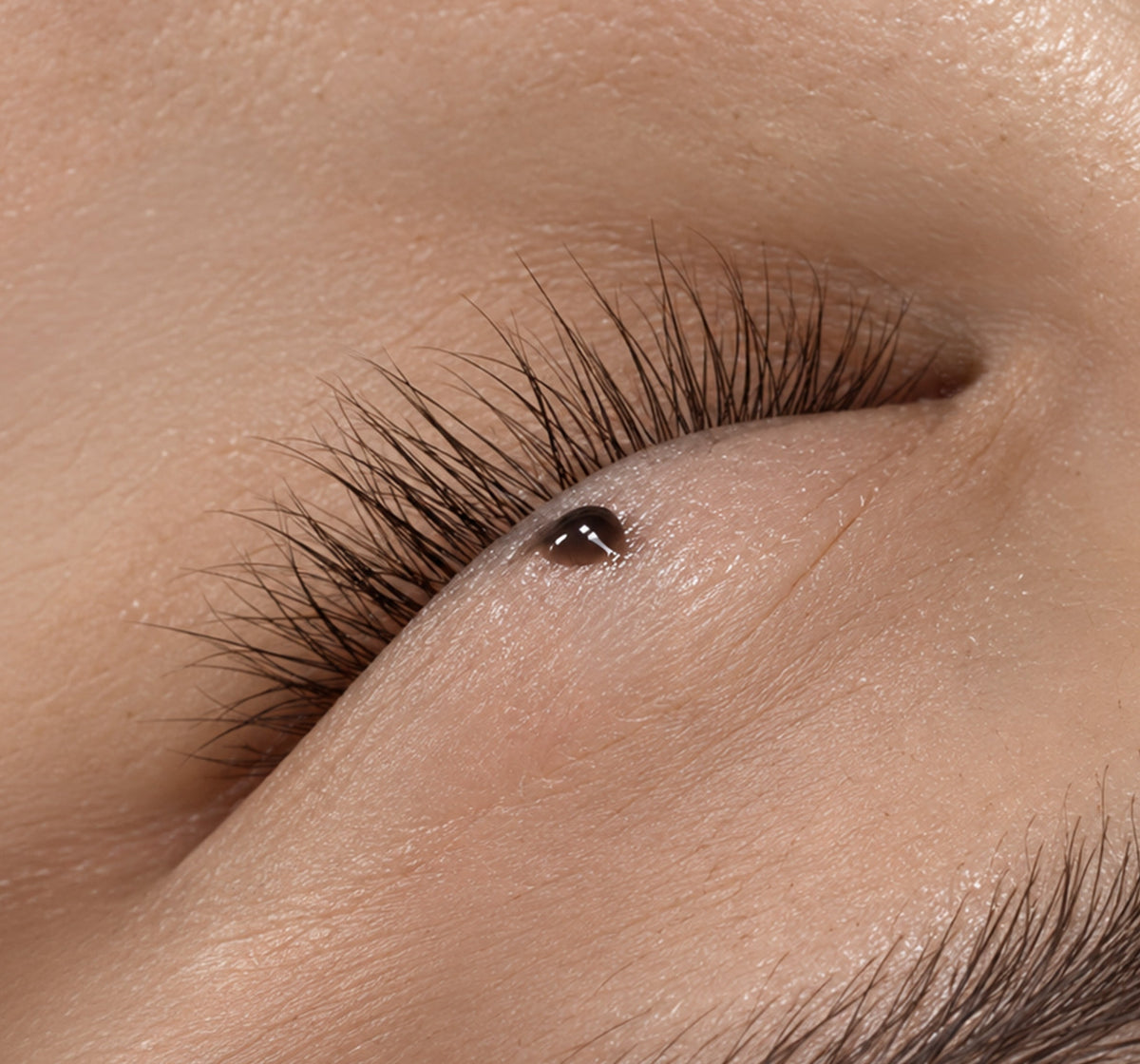
What to Do If Lash Glue Gets on the Eyelid or in the Eye
Every lash artist has those moments when a perfectly ordinary appointment decides to stop acting like a well-behaved child and start being a rebel. One second, everything is going smoothly. The next, an extension is stuck where it absolutely does not belong, two lashes have formed an unexpected friendship, or your client says that something is wrong with their eyes. Enough to call it a bad day.
Skin and eyelids are not the places where adhesive belongs. If adhesive gets somewhere it shouldn't, you need to act. So, let's talk about what to do when an eyelash extension gets glued to the eyelid, what happens if fumes mess with the eye, and when it's time to stop troubleshooting and get medical help.
Why This Happens During Application
First things first: an adhesive mishap doesn't automatically mean you're a terrible lash artist. Even the best of us have those days when it’s doom and gloom everywhere. So, apparently, it happened, and here’s why:
The extension lands where it shouldn't
You're placing an extension, your tweezers shift slightly, and the extension touches the eyelid instead of the natural lash.
The temptation is to sort it out immediately. Resist that urge. We need delicacy in order not to harm natural lashes. You can gently detach the extension from the skin and remove glue residue. Just remember, we use only lint-free tissue. It might not be the best idea to add fuel to the fire.
Two or more lashes become stuck together
An extension may accidentally bond neighboring natural lashes, creating the dreaded stickies. Why does it matter? Natural lashes don't all grow at the same rate. If they're bonded together, they can pull against one another as they move through their growth cycles. Don’t blame yourself when this happens, even the most seasoned artists experience this regularly. True professionals just don’t ignore them, and check those things before the client finds them herself.
The fix is prevention: clean isolation, controlled adhesive placement, and checking that each extension is attached to the intended natural lash. If this already happened, we need to take a pair of tweezers in each hand and detach them veeeery gently, but mercilessly.
Lash Glue in Eye vs. Glue on the Eyelid. Different Risks, Different Steps
These situations can look similar from the outside, but they aren't interchangeable.
Scenario 1: Lash glue is on the eyelid skin
If adhesive is on exposed skin and there is no suspected eye exposure, gentle rinsing with water may help. You can easily remove the adhesive from skin with any lint-free wipe you have in your studio.
If the adhesive is firmly bonded, dried out, sits along the eyelid margin, or cannot be safely separated without pulling, your remover will totally handle it painlessly. Contact with the skin isn’t prescribed, but it’s not forbidden. So if your remover doesn’t contain harsh chemicals, there won’t be any damage to the client’s skin.
Scenario 2: There may be a reaction to fumes
Adhesive fumes can irritate the eye. Cyanoacrylate is what makes your glue so cool, but it’s sometimes rather foe than a friend.
Redness, pain, tearing, and a foreign-body sensation are all reasons to take the situation seriously. So if your client complains, stop the appointment and fan for some time till they feel better. We came here to make them adorable, not to torture. If the irritation persists, it might be better to stop lashing, and ask them to rinse the eyes thoroughly, and remove the lashes completely.
Act immediately:
Stop the procedure.
Begin flushing the affected eye with plenty of clean, lukewarm running water for at least 15–20 minutes.
Encourage gentle blinking if the client can do so comfortably.
Remove contact lenses if they come out easily during rinsing.
What if the eyelids are glued shut?
Well, this happens when a client can’t close their eyes firmly. Sometimes, the lower lash just decides to crash the party and pop out from the patch. And you’ve just mistaken that lash for the upper one from your point of view.
Don't force them open too harshly. Just take two pairs of tweezers and gently detach one from the other. You have to slowly pull the natural lower lash with one, and the extension with the other. Don’t be afraid, this is not some kind of lash disaster. This is totally normal and fixable.
How to Safely Release the Lash from the Skin
The possibility of glue contacting the skin is close to zero, but let’s imagine it happened:
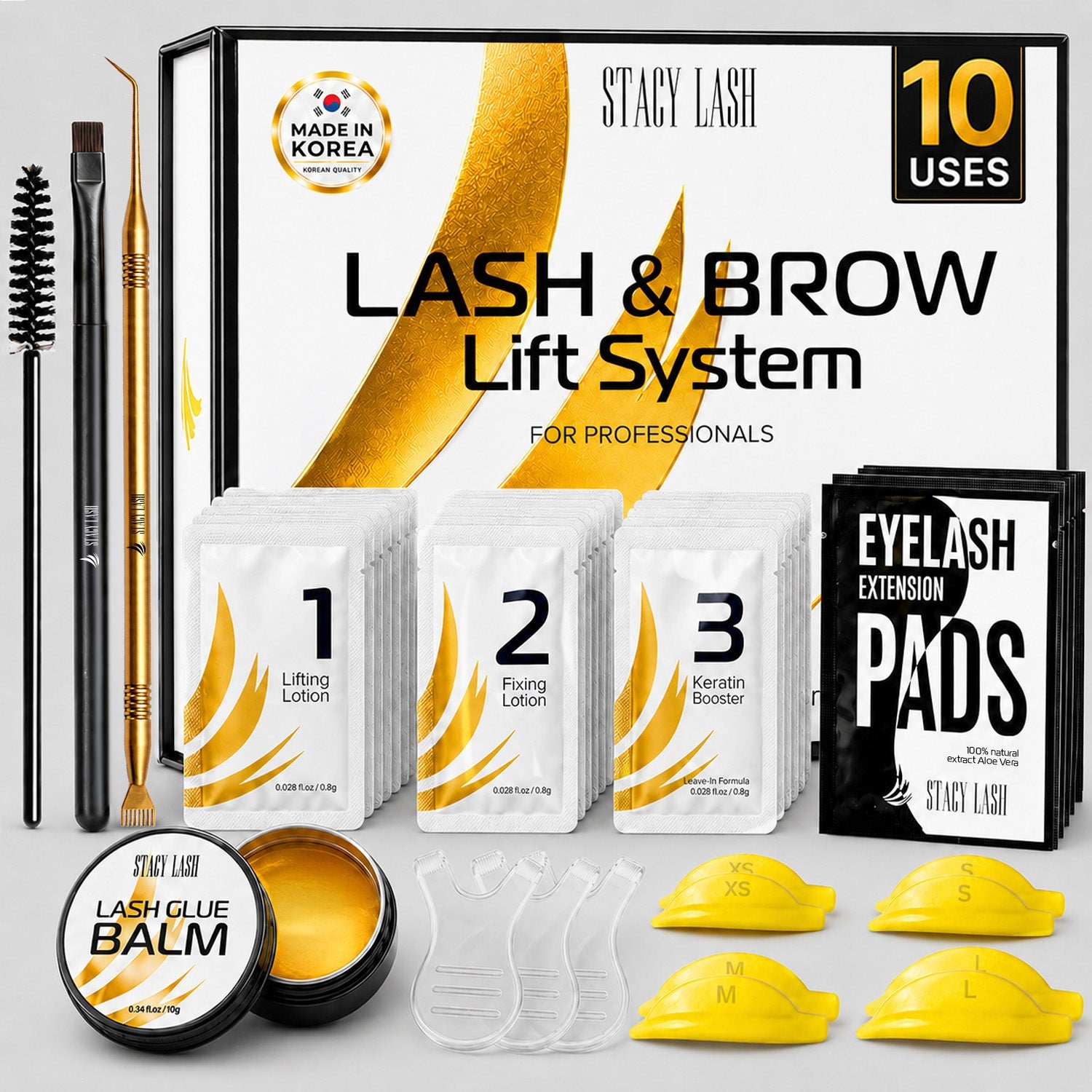
1. You can get lifting solution to solve the issue. As this thingy contains oils and Keratin, it can not only add finishing touches to the lift procedure, but help you release the skin from adhesive as well.
2. If we do not have Solution #3, we surely do have an oily hand cream, right? Many lash artists have dry hands, so this is a little hack for you. You know your glue doesn’t like oils, so we take this to our advantage at least once in a lifetime.
What NOT to Do
When something goes wrong, our brains love a quick fix. Unfortunately, the quickest-looking solution can be the one that causes the most trouble.
Here's what to leave off the menu.
Don't use tweezers, scissors, or other sharp tools to separate a stubborn bond. If the lashes are stuck together and the situation can't be safely managed with tweezers alone, apply remover to the local area and fix the stickies.
Don't reach for acetone or household adhesive removers.
These products are not appropriate for use around the eye. A product that dissolves glue on a workbench is not automatically suitable for delicate facial tissue. This is not the moment for a chemistry experiment.
Don't tell the client to wait it out if symptoms suggest something serious.
Persistent pain, redness, swelling, excessive tearing, light sensitivity, or changes in vision need medical assessment. Severe symptoms require urgent care.
How to Prevent This Mistake in Future Sets
Prevention can save you from a very stressful appointment. Period.
Make isolation non-negotiable
Every extension should be attached to the intended natural lash, with neighboring lashes kept separate. If isolation is compromised, pause and correct your setup before proceeding. Rushing through an attachment because you're behind schedule is a classic case of being penny-wise and pound-foolish.
Keep adhesive placement controlled
More adhesive isn't automatically better. Use an appropriate amount, and avoid allowing excess product to travel toward the eyelid or neighboring lashes. We don’t want the client to have a wet set. Literally wet from excessive adhesive that refuses to dry and glues the lash line shut.
Position the client comfortably
The client should be able to remain still with the eyes comfortably closed. Check that the eye pads and tape aren't irritating the skin or pressing in a way that encourages the eye to open.
If the client reports stinging, burning, or discomfort, stop and investigate. Don't assume they're simply being sensitive.
Check your environment and product condition
Use adhesive according to its specified humidity, temperature, storage, and handling requirements. Keep the bottle properly closed and replace the glue bid every 10-20 minutes.
A product that isn't behaving as expected is a reason to pause and reassess, not to compensate by adding more glue.
Never sacrifice isolation for speed
Yes, nobody wants the appointment to feel like forever. Your appointment schedule matters. Your clients may have somewhere to be.
But an extra few seconds spent checking your isolation is worth far more than rushing through a questionable placement.
And if you notice that extensions are repeatedly sticking to neighboring lashes, time to check your isolation technique, adhesive amount, and application skills.
Know your product and its instructions
Know what each product is intended for, what it must be kept away from, and what the manufacturer recommends if accidental contact occurs. Most importantly, make it clear to clients that they should report unusual pain, burning, or changes in vision immediately. They shouldn't feel they need to sit quietly through discomfort to avoid interrupting the appointment.
When to Refer the Client to a Doctor
Sometimes the most professional thing you can do is stop the service.
Seek urgent medical assessment if:
- Adhesive fumes severely irritated the eye and symptoms persist after rinsing
- The client has significant or persistent eye pain even after extensions were removed.
- There is blurred vision, other vision changes, or marked light sensitivity for 2 days or more.
- Redness, swelling, or tearing is severe or persists after rinsing.
- You suspect an injury to the surface of the eye.
An allergic reaction is another situation that needs attention. Itching, swelling, redness, and irritation can develop after exposure to lash adhesive, sometimes hours or days after application. These symptoms can overlap with other eye conditions, so don't attempt to diagnose the cause yourself. Refer the client to an appropriate healthcare professional.
Here’s when a patch test can save the day. Ask your customer about their health and whether they suspect sensitivity. Yeah, not very convenient, and all of you might just want to lash in peace. But better safe than sorry.
FAQ
Q: Is it dangerous if lash glue touches the eyelid?
A: It may come as a surprise, but no. It doesn’t mean you should go experiment and pour the glue on eyelids intentionally. But a small amount of adhesive on external eyelid skin won’t kill anybody. And it’s easily removed as well.
Q: What should I do if lash glue gets in the eye?
A: Such a situation itself is nearly impossible. Unless you’re a maniac with steel tweezers as your cold weapon. Another thing is that cyanoacrylate fumes are sneaky and often tend to rain on your lash parade. The easiest way is to pause and fan the eye to strip them away. Also, don’t forget your good old bonder that seals the fumes, coating the extensions with a protective layer.
Q: Can I use lash remover directly on skin?
A: Though it’s not recommended, it’s not so dangerous for a professional to allow contact with bare skin. What is strictly forbidden is eye contact and DIY removal attempts. Professional removers are intended to break the chemical structure of the adhesive, and they must be kept away from the eye and used according to the manufacturer's instructions. However, it’s not acid, and it won’t act like fire on your skin.
A final word before your next appointment
Lash artistry is full of tiny details, and sometimes those tiny details turn into big decisions. A misplaced extension, a lost isolation, or a drop of adhesive where it doesn't belong can happen. What matters is how you respond.
Stay calm and stop when something isn't right. And if you need to replenish your lash-removal supplies, appropriate extension removal is on us! A beautiful set is the goal. Client safety is the priority.




Leave a comment
This site is protected by hCaptcha and the hCaptcha Privacy Policy and Terms of Service apply.