

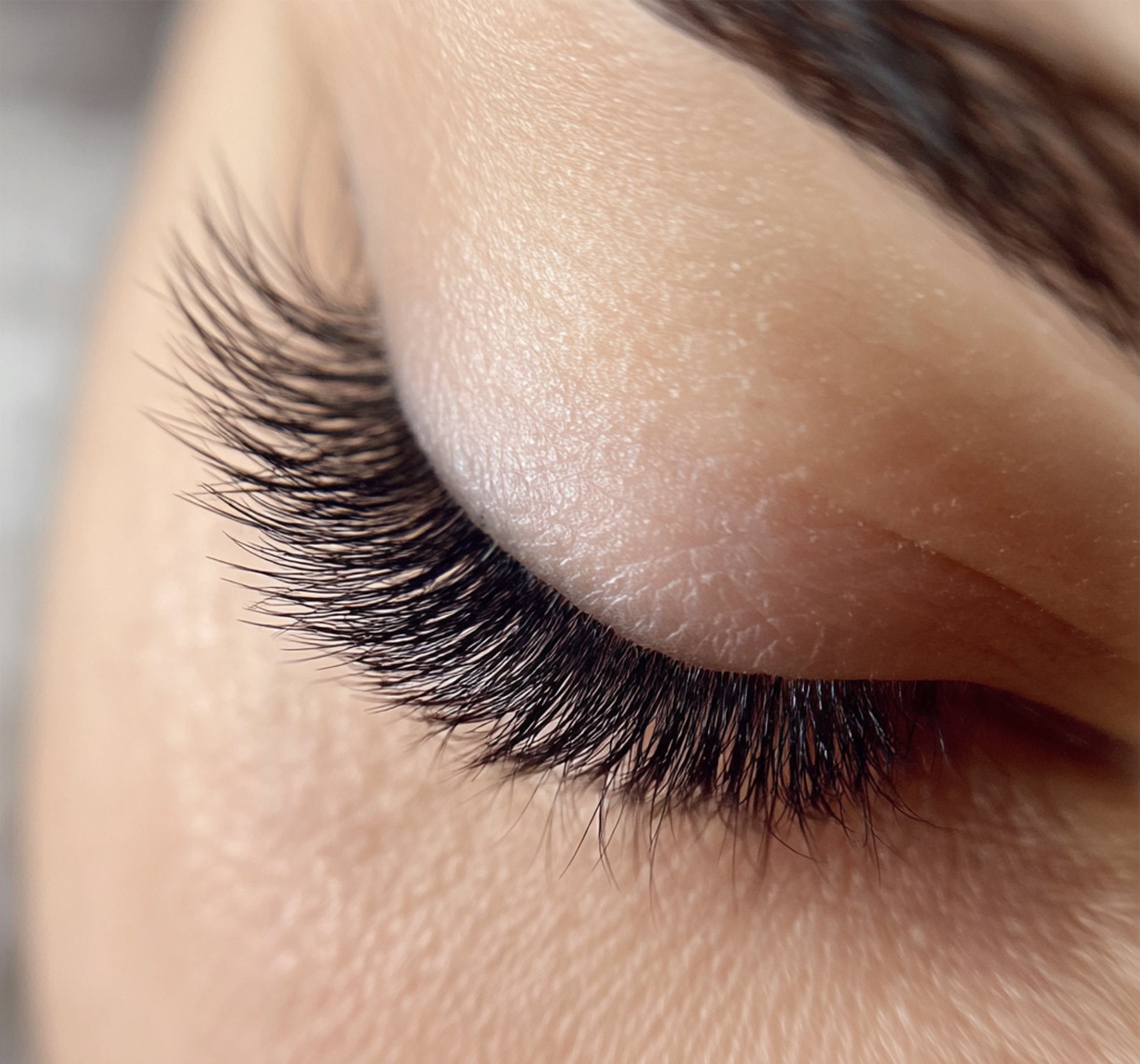
The Micro-Movements of Natural Lashes
Lashes may look delicate, but don’t let them fool you. Natural lashes are busy. They grow, shift, shed, tilt, flex, and quietly mind their own business whether we’re paying attention or not. And the lash artists who last in this industry? They’re the ones who stop fighting that reality and start working with it.
Natural lashes are kinda like background dancers in a Janet Jackson era tour — subtle, precise, always moving, and absolutely capable of ruining the whole performance if you ignore them. Lash extensions don’t exist in a vacuum. They live on lashes that blink, squint, cry, sleep face-down, and occasionally get rubbed during a bad Monday.
Understanding the micro-movements of natural lashes isn’t extra credit. It’s the difference between sets that look flawless at day three and sets that still look good when the refill rolls around.
The Lash Growth Cycle: Not a Myth, Not a Mood — Just Biology Doing Its Thing
Every natural lash is on its own timeline. No meetings. No group chat. No syncing up for your convenience. And that’s where a lot of frustration starts — especially when clients expect lashes to behave like press-on nails.
There are three phases, and every lash you see is somewhere in one of them. Always.
Anagen: The “Baby but Trying” Phase
This is the growth stage — lashes are actively lengthening, still figuring themselves out, and honestly? Not ready for heavy commitments.
These lashes are anchored deep and strong, but they’re still changing daily. Slapping long or heavy extensions on them is like putting ankle weights on a toddler and asking them to sprint. Technically possible. Morally questionable.
Smart artists treat anagen lashes with respect. Light weight. Conservative length. No ego.
Catagen: The Sweet Spot
This is where lashes hit their stride. Growth stops. Structure stabilizes. The lash knows who it is.
Catagen lashes are the MVPs of retention. They’re strong, predictable, and won’t pull a disappearing act a week later. If your sets last beautifully, odds are you’re bonding mostly here — whether you realize it or not.
Telogen: The “I’m Tired, Let Me Go” Phase
Resting. Detached. On borrowed time.
These lashes are already packing their bags. Attaching extensions here isn’t wrong, but it is temporary. When these lashes shed (as they should), the extension goes with them — no drama, no damage, no conspiracy.
And yes, some clients will probably still text you like something went terribly wrong. Understanding lash cycles helps you to be prepared to strike back with some educational info on how nature is sometimes brutally uncompromising.
Micro-Movements: The Stuff You Don’t See Until It’s Too Late
Here’s where things get interesting. Lashes aren’t statues. They don’t sit still, politely waiting for the adhesive to cure. They move — subtly, constantly, relentlessly.
Blinking: Death by a Thousand Tiny Movements
Every blink creates a micro-shift. Multiply that by thousands per day, and suddenly placement matters a lot more than people think. If the base isn’t aligned with the natural lash’s direction, that tiny daily motion becomes torque. Torque becomes lift. Lift becomes twist. Twist becomes “why does my outer corner always act up?”
Growth Direction: Nature Has Opinions
Some lashes grow straight up. Some sideways. Some do their own indie-film thing and refuse to follow the map. Fighting that direction is how extensions start crossing, poking, or looking chaotic by week two. Respecting it is how sets age gracefully — like leather jackets, not fast fashion.
Shedding: Normal, Inevitable, Not a Personal Attack
Clients lose lashes daily. Everyone does. Around 2–5 per eye, per day. That’s not bad retention. That’s biology clocking in on time. Extensions don’t fall because they’re weak. They fall because the natural lash completed its contract.
What This Means for Retention (and Your Sanity)
Retention isn’t just adhesive chemistry or humidity charts taped to the wall. It’s timing. Placement. Weight. And understanding which lashes are built to go the distance.
- Anagen lashes grow → extension moves → bond gets stressed
- Catagen lashes stay put → bond stays stable
- Telogen lashes leave → extension exits stage left
Once you really get this, retention complaints stop feeling personal. You stop chasing perfection and start designing smarter sets.
Set Design That Works With Lash Behavior, Not Against It
Great lash sets aren’t rigid. They’re adaptable.
Artists who understand micro-movement:
- Adjust weight based on growth stage
- Follow natural direction instead of forcing symmetry
- Use lighter lengths where lashes are more mobile
- Design sets that still look good mid-shed
This is how you get that “it still looks good weeks later” feedback — the holy grail.
Client Education: Where Most Problems Actually Start
Most clients don’t need more lashes. They need more context.
They think:
- shedding = damage
- movement = poor work
- change = mistake
Your job is to explain, calmly and confidently, that lashes are living things. They grow. They shed. They don’t freeze in time like a screenshot.
Once clients understand that, everything shifts. Trust builds. Panic texts disappear. Expectations on lash extension retention get realistic.
Common Mistakes That Kill Sets Quietly
Yes, mistakes happen when we are human beings. Totally normal, and time to stop being judgmental of yourself. It’s like, you should assess your work, but not in a harsh way. No chance you’re going to create one perfect set frozen in time anyway. Still, here are some common ones you can avoid:
- Ignoring natural lash behavior and lash direction because “it looks fine now”
- Overloading baby lashes because they’re easy to isolate
- Forcing symmetry on asymmetrical growth
- Treating all lashes like they’re in the same phase
None of these blow up immediately. They just shorten the lifespan of your work — quietly, consistently.
Reading Nature, Not Reading Tarot Spread
Great lash work isn’t about overpowering nature. It’s about reading the room — and the lash line.
Lash artist tips in this article reveal that natural lashes move. They grow. They let go. And the artists who respect that rhythm don’t fight constant battles with retention, twisting, or unhappy clients.
They build sets that age well. They sleep better. They stop second-guessing themselves.
Because once you understand the lash growth dynamics and micro-movements, everything else clicks into place. And honestly? That’s where lash artistry stops feeling like guesswork and starts feeling like mastery.






Leave a comment
This site is protected by hCaptcha and the hCaptcha Privacy Policy and Terms of Service apply.