

Article: The Complete Lash Aftercare Routine: Lash Shampoo
The Complete Lash Aftercare Routine: Lash Shampoo
Let’s talk about something that should be incredibly simple but somehow still causes a ridiculous amount of confusion: washing eyelash extensions.
Some clients treat their lashes like delicate museum artifacts. If you have this kind anong yours, time to break some crucial information. Like, lash extensions are not allergic to water. And they don’t need to be kept in witness protection. In fact, regular, gentle cleansing is one of the most important parts of proper eyelash extension aftercare.
Because underneath those beautiful fans and wispy spikes is still an actual eyelid. With natural oils, skin cells, makeup, sweat, and dust. So yes, cleansing matters. And no, splashing a little water around your eyes once every three business days does not count.
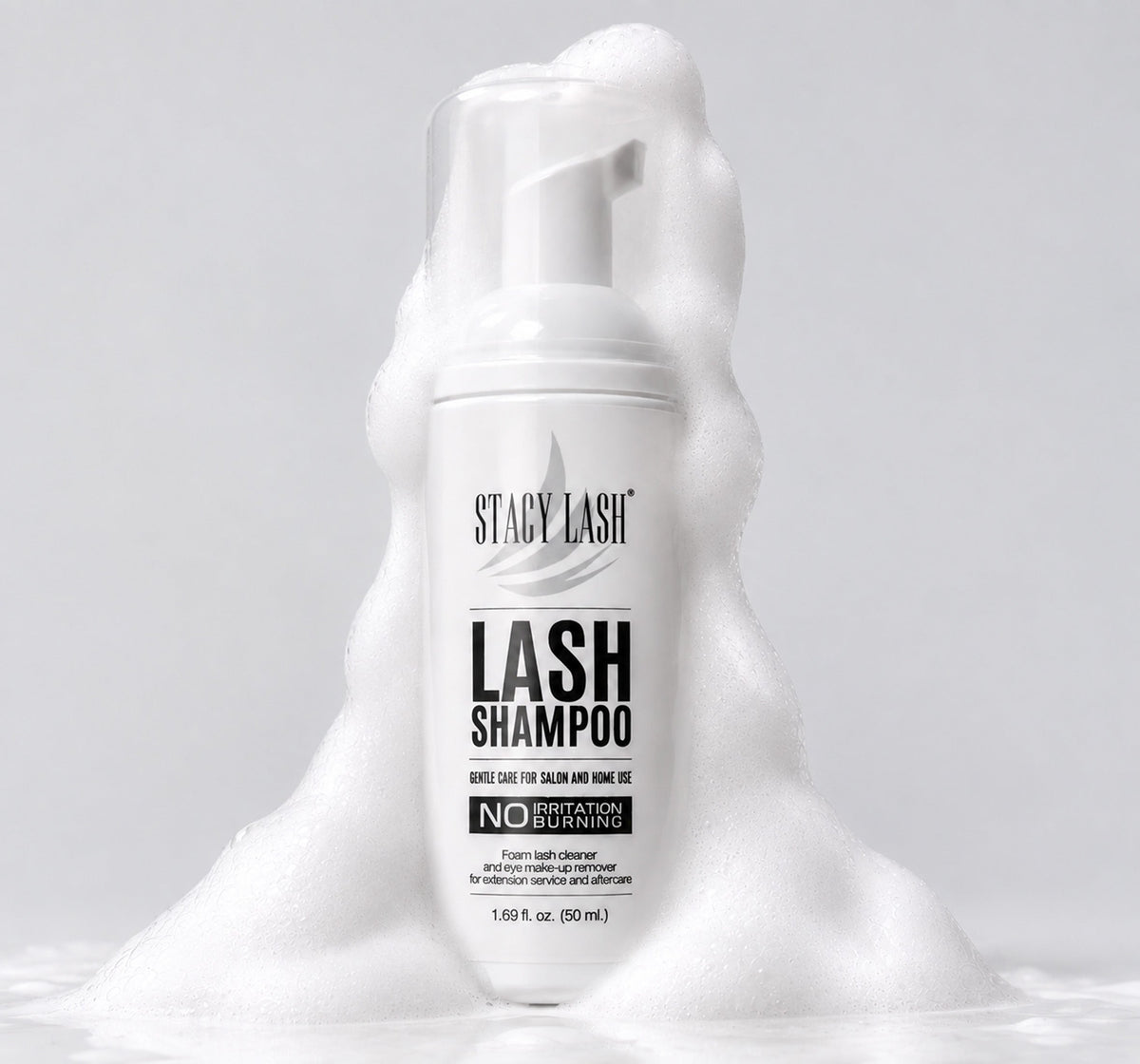
A proper lash shampoo and a consistent cleansing routine can help keep the lash line clean, comfortable, and ready for the extensions to do what they came here to do.
Personal Daily Care or Professional Salon Use?
First things first: lash shampoo has a place both at home and in the salon. For clients, regular cleansing is part of everyday eyelash extension aftercare. It helps remove the buildup that naturally collects around the lash line.
For lash artists, cleansing is part of creating a clean working environment and preparing the natural lashes for treatment or application. A clean lash line gives you a much better starting point.
And teaching clients how to clean eyelash extensions properly is just as important as explaining what products to avoid. Aftercare isn’t the little speech you rush through while they’re putting their shoes back on. It’s part of protecting the work you just spent two hours creating.
Why Lash Shampoo Matters for Retention and Eye Health
Let’s address the big one: lash shampoo for lash retention.
Cleansing doesn’t magically glue extensions back onto lashes. Wouldn’t that be nice? One little lash bath and suddenly every extension is back where you placed it. Unfortunately, reality did not give us that cheat code.
What cleansing can do is help prevent the accumulation of oils, makeup residue, sweat, skin debris, and other buildup around the lash line. And that matters, as dirty lash line can interfere with the overall condition of the extensions and natural lashes.
It’s also important for the skin around the eyes. Like, very.
The Blepharitis Connection
Now, before we get carried away: lash shampoo does not guarantee that someone will never develop blepharitis.
Blepharitis is a medical condition involving inflammation of the eyelids, and there can be different causes and contributing factors.
But good eyelid hygiene is commonly part of managing and preventing problems associated with eyelid buildup.
Why Baby Shampoo, Micellar Water, and Oils Damage Extensions
Ah yes. The DIY cleanser hall of fame. Baby shampoo, micellar water, oil-based products. Random face wash from the bathroom cabinet.
Baby shampoo has been recommended for eyelid cleansing for years, which is probably why clients assume it’s automatically safe for extensions. Now, if someone asks Why can't I use baby shampoo on lash extensions you can say: “gentle enough for babies” does not automatically mean “formulated for eyelash extensions.”
The issue is that lash extensions have specific aftercare needs. You want a cleanser designed to work around extensions and the delicate eye area without leaving behind ingredients that can compromise the adhesive bond or create unwanted residue.
That’s where a dedicated eyelash extension shampoo comes in.
What about micellar water?
This one gets a little more complicated because micellar products vary enormously.
Some may be suitable around extensions, while others contain oils, alcohol, or other components that aren’t ideal for the adhesive bond. So rather than playing ingredient roulette, choose an oil-free cleanser specifically designed for lash extensions.
And oils?
This one is much less mysterious. Oil-based products around the lash line can interfere with the adhesive bond and may contribute to premature extension shedding.
That doesn’t mean every oil on Earth is going to make your extensions immediately fall off. But if longevity is the goal, why deliberately introduce a product that may work against your adhesive?
Step-by-Step Lash Bath Routine
Now for the good stuff. A lash bath doesn’t need to become a 17-step skincare ceremony. Keep it simple.
Dispense and Cleanse
Start with a clean face and clean hands. Apply your lash shampoo to the lash line. A foaming formula works beautifully here because the foam can move between the extensions and reach the lash line without requiring aggressive rubbing. Using a clean cleansing brush, gently work the foam through the lashes.
Use small, controlled motions to clean along the lash line and through the extensions. Pay attention to the areas where makeup, oil, and debris tend to collect.
Rinse, Dry, and Fluff
Once you’ve cleansed the lashes, rinse thoroughly with clean water. After rinsing, gently remove excess water. Don’t aggressively rub the lashes with a towel, your extensions would like to keep their dignity. Once they’re dry, take a clean spoolie and gently brush through the extensions to separate and fluff them.
Golden Rules of Lash Aftercare
If you want clients to actually remember your aftercare instructions, keep the rules simple.
Clean your extensions regularly. Not once a month when you suddenly remember your lash artist exists.
Use a cleanser made for lash extensions. A professional lash shampoo is designed with the needs of extensions in mind.
Choose oil-free products around the lash line. If longevity matters, don’t make your adhesive fight unnecessary battles.
Be gentle. No picking. No pulling. No aggressively rubbing the lash line like you’re trying to start a fire.
Rinse thoroughly. Cleanser belongs on the lashes during the wash, not hanging out there indefinitely.
Dry and brush your extensions. Once they’re clean and dry, gently fluff them with a clean spoolie. And perhaps the most important rule:
Make cleansing part of the routine. Because waiting until your lashes look questionable is not a skincare strategy.
Personal Care vs. In-Salon Cleansing Kits
There’s a difference between what belongs in a client’s bathroom and what makes sense in your professional setup. For personal aftercare, clients need something straightforward: a dedicated lash shampoo, a cleansing brush, and an easy way to rinse and dry their lashes.
That’s why a professional lash cleansing kit can be so handy.
Everything is together. No scavenger hunt.
For lash artists, having a cleansing setup in the salon can also make your workflow more consistent. A proper cleanse can be useful before lash application when appropriate, especially when you need to remove makeup, oils, or residue from the natural lashes.
Clean lashes before the service. Clean lashes during aftercare. Clean lashes between appointments. Show lashes love, and they will show you love in turn.
FAQ
Q: Can I use baby shampoo instead of lash shampoo?
A: It’s better to use a cleanser specifically formulated for eyelash extensions. Baby shampoo may be gentle, but it isn’t necessarily designed around lash adhesive and extension aftercare.
A dedicated lash shampoo is the more appropriate choice when the goal is to keep extensions clean while supporting a proper aftercare routine.
Q: How often should lash extensions be washed?
A: For most clients, regular daily cleansing is a good starting point.
The exact routine can vary depending on the client’s skin, lifestyle, makeup habits, and the recommendations of their lash artist. Someone who works out frequently, has oilier skin, or wears makeup around the eyes may need to be particularly consistent with cleansing.
The important part is not letting buildup sit around the lash line for days on end.
Q: Does cleansing improve lash retention?
A: Proper cleansing can support good lash extension aftercare and help prevent oil, makeup, sweat, and debris from accumulating around the lash line.




Leave a comment
This site is protected by hCaptcha and the hCaptcha Privacy Policy and Terms of Service apply.