

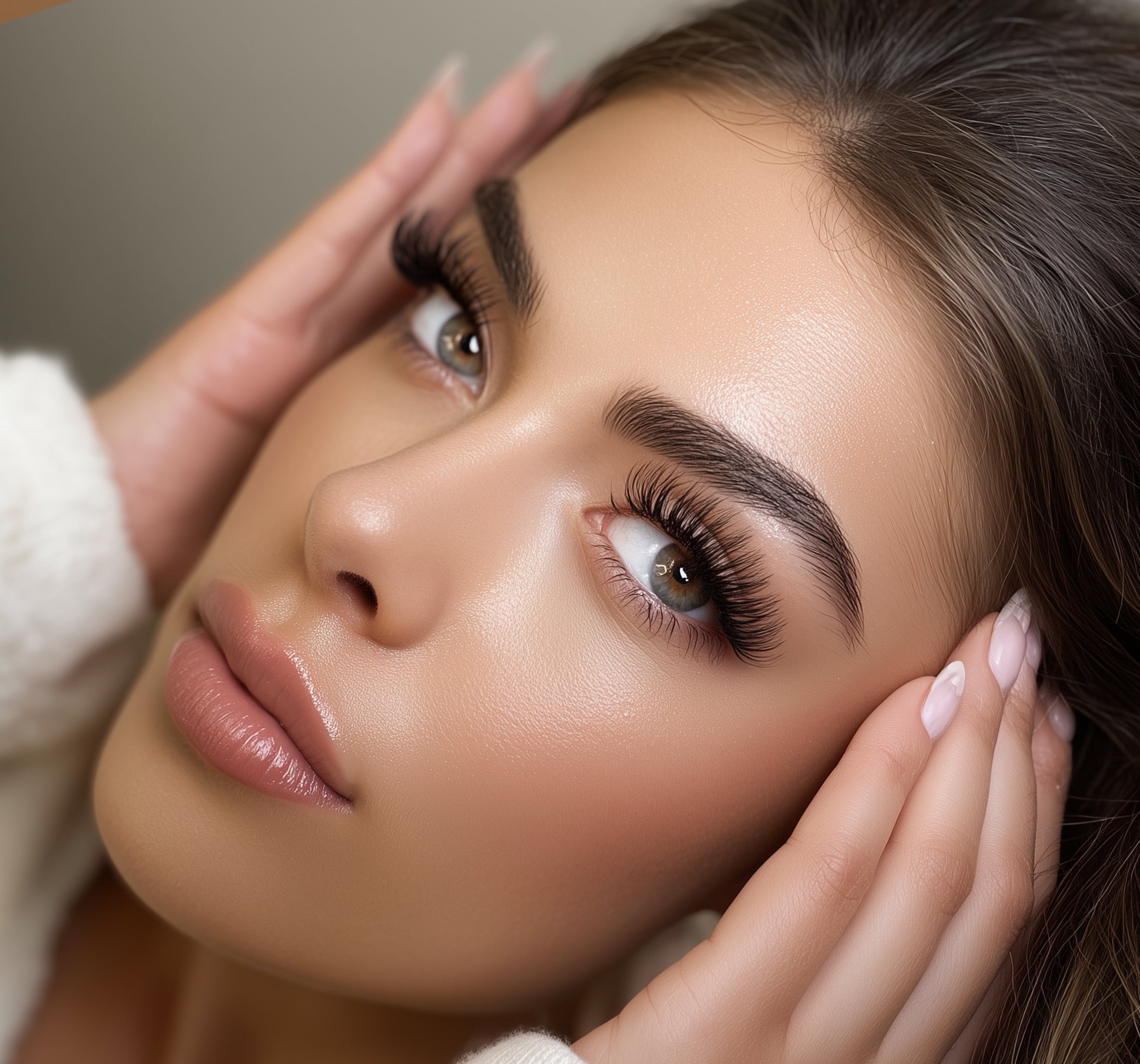
Clients With Anxiety & Panic Reactions During Lash Appointments
Lash appointments are supposed to be a vibe. Soft blanket. Chill playlist. Tiny tweezers doing their delicate little dance. Main-character energy loading.
But for some clients? It’s not a spa moment. It’s Fight Club… starring their nervous system.
And if you’re a lash artist, this isn’t some rare, once-in-a-blue-moon situation. Anxiety in the lash room is way more common than people admit. Clients don’t always walk in announcing, “Hi, I have panic disorder.” They walk in saying, “I’m excited!” while their heart racing and arms trembling.
So let’s break down what’s actually happening and how to handle it like the GOAT pro you are.
Why Lash Appointments Can Trigger Anxiety (Even in “Chill” Clients)
Picture this: You’re lying flat. Eyes sealed shut. Bright light above you. Someone is hovering inches from your face. You can’t really move and can’t really see.
If that doesn’t sound slightly primal-brain activating… We don’t know what does. Here’s what’s actually going on:
1. Loss of Control
Humans love control. We pretend we’re spontaneous, but deep down? We want to know what’s happening, when, and how. During a lash appointment, clients surrender control. They can’t see what you’re doing. They can’t track time. They can’t scan the room. Their brain goes: “Hello? Are we safe? Why are we blind? Why is someone near our eyeballs?”
And if someone already struggles with anxiety? That little internal security alarm goes off in a jizzy.
2. Sensory Overload
The adhesive smell. The tape on the lower lashes. The bright light. The sound of tools.
For a sensitive nervous system, that’s a lot. Some clients are high-functioning anxiety queens. They run companies, manage households, handle chaos. But put them in a sensory-heavy, still, vulnerable environment? Boom. Their system short-circuits.
3. Claustrophobia & Closed-Eye Fear
Keeping eyes closed for two hours can feel endless. Some clients start thinking:
“What if I need to move?”
“What if I panic?”
“What if I can’t open my eyes?”
And now their brain is spiraling faster than a Reddit conspiracy thread.
Spotting Anxiety Before It Turns Into a Full Panic Situation
Listen. Panic attacks rarely come out of nowhere. There are signs. Subtle ones. You just have to clock them.
Verbal Clues:
- “I get a little anxious sometimes.”
- “I’ve never done this before… I’m kinda nervous.”
- Rapid-fire questions like they’re prepping for the bar exam.
Non-Verbal Clues:
- Shallow breathing.
- Fidgeting before lying down.
- Clenched jaw.
- Hands gripping the blanket like it owes them money.
- Constant swallowing or throat clearing.
And here’s the big one: over-apologizing.
“I’m sorry if I move.”
“I’m sorry if I blink.”
“I’m sorry if I’m being annoying.”
That’s anxiety talking. Not attitude. If you catch it early, you’re golden. If you ignore it? That’s when things escalate.
Anxiety vs. Panic Attack — Not the Same Beast
Let’s not mix these up.
Anxiety:
- Gradual
- Builds up
- Feels like dread, tension, unease
- Client is still communicative
Panic Attack:
- Sudden
- Intense
- Heart racing
- Sweaty palms
- Shortness of breath
- “I feel like I’m dying” energy
It’s not drama or exaggeration. It’s the nervous system misfiring like it just chugged six espressos. And here’s the thing: telling someone to “just relax” during a panic attack is like telling someone with a broken ankle to “just walk it off.” Absolutely not.
What To Do If Anxiety Starts Creeping In
First rule? Don’t match their energy. If they panic and you panic? Nothing I going to work. Keep your voice steady. Instead of: “You’re fine.” Try: “I’ve got you. We can pause. Nothing is urgent.” That sentence alone lowers cortisol.
Guide them into slow breathing:
“Inhale for four… hold… exhale for six.”
Longer exhales calm the nervous system.
Offer control back:
“If you need to sit up, just tell me.”
“We can take a quick break.”
“You’re not stuck.”
Control = safety.
What NOT To Do
- Don’t roll your eyes internally or externally.
- Don’t say, “This has never happened before.”
- Don’t rush the service to “get it over with.”
- Don’t minimize.
Nothing kills trust faster than feeling dismissed. This industry talks nonstop about retention. You want retention? Make someone feel emotionally safe. That’s the secret sauce. Not just your fan technique.
Setting Up Your Lash Room for Nervous System Peace
Now how to relax during eyelash extensions? Let’s think what we can do about that:
Lighting - Soft. Warm. Not interrogation-room vibes.
Sound - Total silence can make anxious clients hyper-aware of every tiny sound. A low, steady background playlist works wonders. Heleeew Lo-fi.
Smell - Be careful with heavy scents. What smells calming to you might feel suffocating to someone else.
Positioning - Before they lie down, explain the process briefly.
Predictability lowers anxiety. Period.
When You Need To Stop the Service
And here’s the big girl/big boy move: knowing when to stop. If someone has panic attacks during lash extensions — you pause.
Calmly say:
“We’re going to take a break. Your comfort matters more than the set.”
That sentence alone builds more loyalty than a free fill ever could. Stopping doesn’t mean you failed. It means you’re professional enough to prioritize safety over ego. That’s grown energy.
Turning Anxious Clients Into Ride-or-Die Clients
Here’s the plot twist: anxious lash clients often become your most loyal ones. Why? Because when someone with anxiety finds a safe place, they tend to cherish it. If you handle one anxiety episode with grace, patience, and zero judgment? They’re booking with you until 2042.
They’ll refer friends.
They’ll leave detailed five-star reviews.
They’ll trust you.
Because you didn’t just glue lashes, you regulated a nervous system. That’s powerful.
Should You Work With Anxious Clients?
Yes. If you’re willing to learn. You’re not a therapist. You’re not diagnosing anything. You’re simply creating an environment that doesn’t spike someone’s stress levels.
And honestly? Those skills spill into everything:
Client communication.
Conflict resolution.
Brand loyalty.
Your reputation.
Handling lash clients with anxiety gracefully is next-level professionalism.
Final Thoughts
The beauty industry loves talking about aesthetics. But the real flex? Emotional intelligence. Your lash room isn’t just a service station. It’s a micro-environment where someone chooses to be vulnerable.
So if a client starts spiraling, don’t see it as drama. See it as a nervous system asking for reassurance. Meet lash appointment anxiety with steadiness. Meet it with empathy. Meet it with “I’ve got you” energy.
Because at the end of the day, perfect isolation is cute. But making someone feel safe in your chair? That’s legendary.




Leave a comment
This site is protected by hCaptcha and the hCaptcha Privacy Policy and Terms of Service apply.