

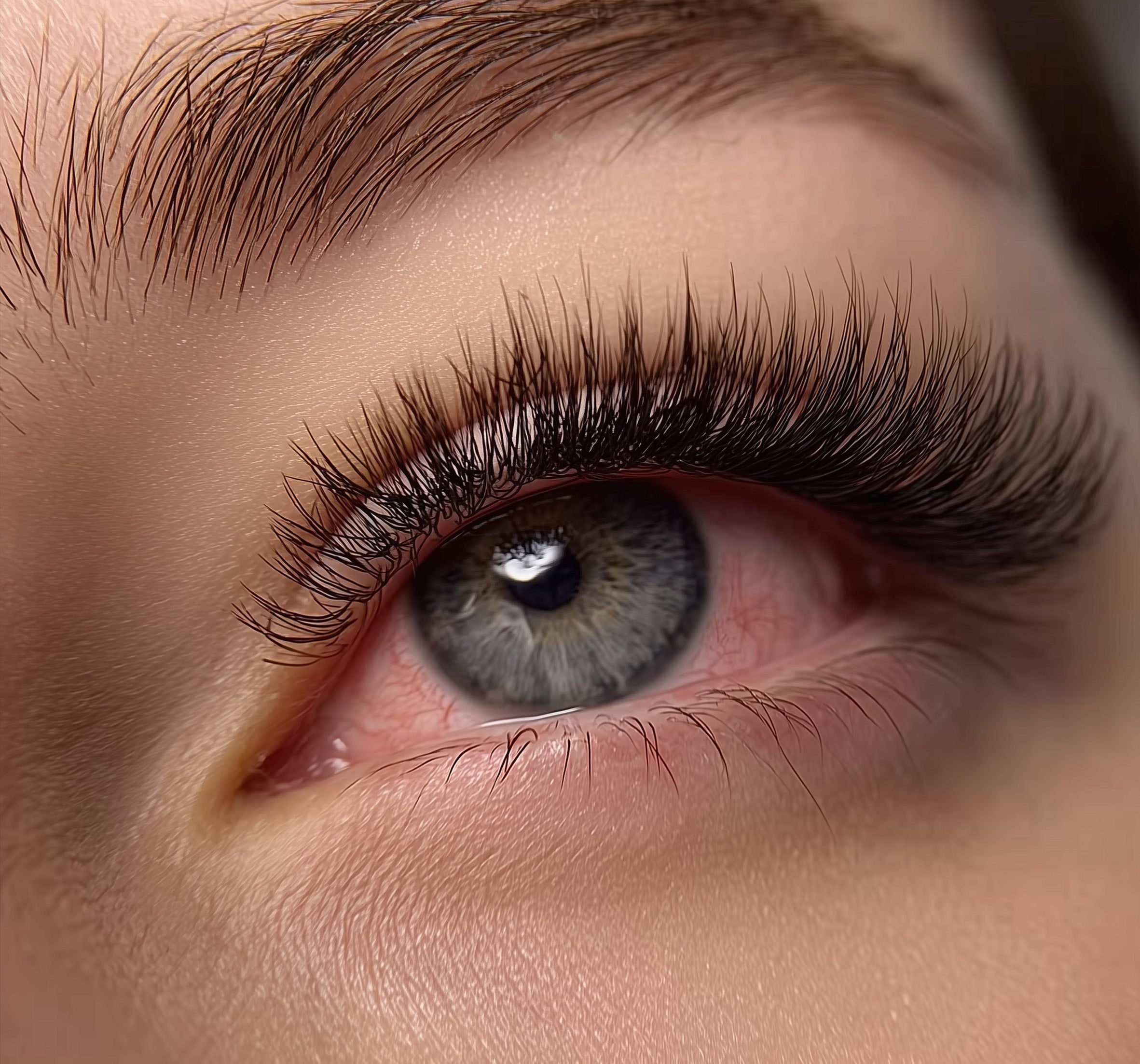
Lash Mites & Eyelash Extensions: What You Need to Know
Let’s get something straight right out of the gate: if your lash retention suddenly tanks, your client’s eyes are itchy, and flakes are popping up where flawless fans used to live, it’s not always bad glue, bad technique, or bad vibes. Sometimes, the culprit is microscopic, sneaky, and already living rent-free on the lash line.
Enter: lash mites.
Cue the collective shudder — but stay with us. This isn’t horror-movie territory. It’s biology, it’s common, and for lash artists who actually know their stuff, it’s manageable. Understanding lash mites isn’t about scaring clients; it’s about protecting lash health, saving retention, and not getting blamed for problems that started way before your tweezers hit those lash strips.
If lash extensions are professionally done, lash hygiene is the foundation garment. Ignore it, and the whole outfit falls apart.
What Are Lash Mites, Really? (And Why Almost Everyone Has Them)
Lash mites — officially known as Demodex mites — are microscopic organisms that live in hair follicles and sebaceous glands. Two main types show up to the party:
- Demodex folliculorum (the lash-line regular)
- Demodex brevis (the deeper skin dweller)
They feed on oil, dead skin cells, and debris. Glamorous, right? But here’s the plot twist: almost every adult human has them. This isn’t a cleanliness issue. It’s a balance issue.
Think of them like background extras in a movie. When they stay in their lane, nobody notices. When their numbers explode, they start stealing scenes — and not in a good way.
For lash extension wearers, that imbalance can snowball fast. Extensions create more surface area, more hiding spots, and more opportunity for debris to build up. If cleansing falls off or salon hygiene slips? Boom. Mite population surge.
How Lash Mites Go From “Harmless” to “Houston, We Have a Problem”
Lash mites don’t just wake up one day and choose chaos. Certain conditions roll out the red carpet for overgrowth:
- Poor lash hygiene (skipping cleansing, buildup at the base)
- Shared or dirty tools (mascara wands, spoolies, salon brushes)
- Compromised immune systems
- Chronic inflammation or skin conditions
- Old makeup and expired eye products
- Low-grade salon sanitation
And here’s the kicker: clients often think extensions mean “don’t touch, don’t clean.” That myth does more damage than good old eye scratch. And that’s how do you get eyelash mites.
When mites multiply, they irritate the follicle, spike oil production, and inflame the lash line. Translation? Adhesive bonds weaken, lashes shed faster, and retention goes straight out the window.
The Tell-Tale Signs Lash Artists Should Clock Immediately
So how do you know if you have eyelash mites? Experienced artists know when something feels off. Lash mites leave breadcrumbs if you know where to look:
- Persistent itching, especially at the lash base
- Redness or swelling along the lid margin
- Flaking or crusting that looks like dandruff (but isn’t)
- Premature shedding or patchy fills
- Extensions sliding or twisting despite proper placement
When a client insists they “did everything right” but lashes keep ghosting early, don’t spiral — investigate. This isn’t about pointing fingers; it’s about reading the room.
Why Lash Mites Wreck Retention (And Why Artists Get Blamed)
Here’s where things get spicy.
Inflamed follicles produce more oil. Oil weakens adhesive bonds. Weak bonds mean lashes pop off early. And guess who gets the side-eye?
You.
Even the cleanest isolation and the most bougie adhesive can’t fight biology forever. Trying to force retention on an irritated lash line is like trying to ice skate uphill — technically possible, but why are you doing this to yourself?
This is why smart artists don’t immediately switch glue, blame humidity, or gaslight themselves. They assess the health of the lash line first.
Knowledge saves reputations.
How to Talk About Lash Mites Without Sending Clients Into a Spiral
Words matter. The phrase “mites living on your eyes” is not a crowd-pleaser. The goal is calm authority, not jump-scare energy.
Think:
- “This is very common.”
- “It’s about balance, not hygiene.”
- “We just need to reset your lash line.”
Normalize it. Educate without judgment. When clients feel informed instead of embarrassed, they’re far more likely to comply with aftercare and trust your recommendations.
Confidence is contagious. Panic is not.
Prevention: The Lash Artist’s Real Superpower
The best way to deal with lash mites lash extensions? Make sure they never get comfortable in the first place.
1. Lash Cleansing Isn’t Optional
Daily cleansing with a lash-safe cleanser removes oil, debris, and makeup residue mites love. Clean lashes = hostile environment for overgrowth.
2. Salon Hygiene Has to Be Tight
We’re talking:
- Single-use disposables
- Proper disinfection of tools
- Clean brushes every time No shortcuts. Ever.
3. No Sharing, No Exceptions
Mascara wands, spoolies, curlers — sharing spreads mites faster than gossip in a group chat.
4. Fresh Products Only
Expired eye makeup is a breeding ground. If it smells off, looks off, or is older than your last breakup, it’s done.
How to Get Rid of Eyelash Mites (Without Nuking the Lash Line)
When eyelash extension mites overstay their welcome, action matters.
At-Home Support
- Lid cleansers formulated for Demodex
- Controlled use of tea tree–based products (proper dilution only)
- Consistent, gentle cleansing — no scrubbing like you’re mad at your face
Professional Treatment
For stubborn or severe cases, dermatologists may prescribe topical treatments like ivermectin or metronidazole. Lash artists should never diagnose — but they should know when to refer.
During Active Treatment
- Pause extensions if needed
- Focus on lash health before aesthetics
- Reset, then rebuild
Short-term breaks protect long-term results.
Why Lash Health Is the Real Flex
Let’s be real: anyone can glue lashes on. Not everyone understands the ecosystem they’re working with.
Artists who prioritize lash health:
- Get better retention
- Build long-term client trust
- Avoid unnecessary drama
- Protect their reputation
That’s not extra — that’s professional maturity.
The industry moves fast. Trends come and go. But clean work, educated clients, and healthy lashes never go out of style.
Why It Matters More Than You Think
Lash mites eyelash extensions aren’t dirty secrets or rare disasters. They’re part of the biological landscape — and ignoring them is how small issues snowball into big problems.
For lash artists, knowledge is leverage. For clients, education is peace of mind. When both sides understand what’s happening at the lash line, everything runs more smoothly.
Clean lashes last longer. Healthy follicles hold better. And when your work is built on understanding instead of guesswork, retention stops being a gamble.
No drama. No mystery. Just solid lash science — and sets that actually last.





Leave a comment
This site is protected by hCaptcha and the hCaptcha Privacy Policy and Terms of Service apply.