

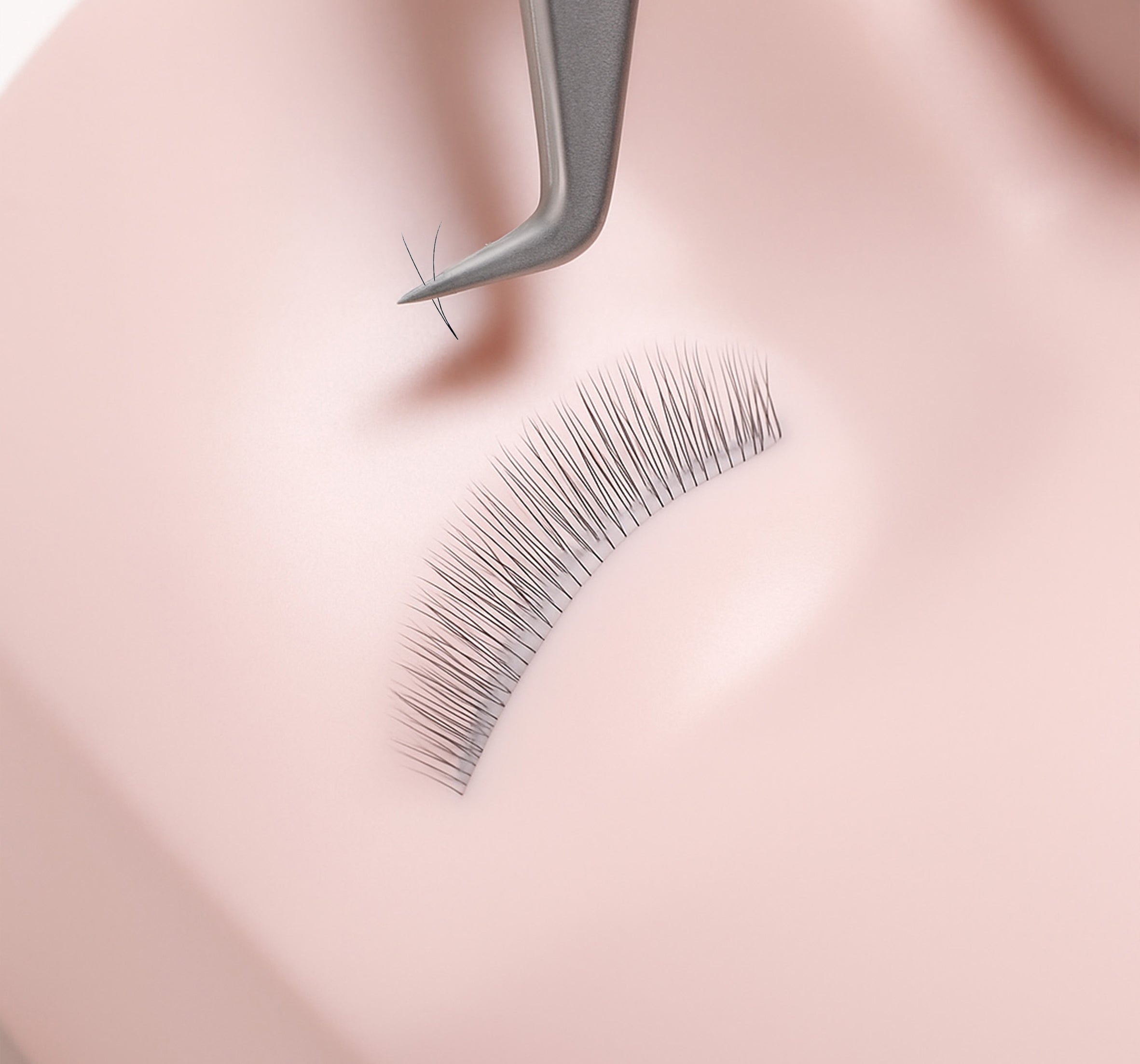
What Makes a Great Lash Training?
Let’s get this out of the way: education in the lash industry is not a cute bonus add-on. It’s not sprinkles on a cupcake. It’s the cupcake. Skip it, and you’re basically serving frosting with a spoon and calling it dessert.
Professional lash training is the backbone of everything that comes after — safety, quality, confidence, and yes, money. A solid education doesn’t just teach you how to glue one lash to another and call yourself a pro. It teaches you how to work clean, think critically, protect your clients, protect yourself, and build something that lasts longer than a typical situationship.
So the industry has indeed grown up. Clients Google. Regulations tighten. Everyone has opinions. You can’t just be chill anymore and expect to thrive. Choosing the right lash education program is one of those “future you will either thank you or curse your name” decisions.
No pressure, right?
Your Trainer Matters More Than You Think
Here’s a hot take that shouldn’t be hot: being good at lashes does not automatically make someone good at teaching lashes. Plenty of artists can create stunning sets and still explain things like they’re reading IKEA instructions written in a hurry.
A truly qualified certified lash instructor has three things:
- Real-world experience
- Actual education
- The ability to explain things without making students feel dumb
Teaching is a skill. Period. Great trainers invest in lash educator certification, structured lesson plans, and learning how to communicate — not just demonstrate.
When you’re checking out a trainer, don’t be shy. This isn’t a first date where you pretend not to care. Ask questions. Stalk responsibly. Look for:
- Recognized certifications (not “trust me, I’ve been doing this forever”)
- A clear, structured curriculum (not vibes and vibes alone)
- Proof they keep learning and evolving
- Transparency about their background and experience
A legit trainer doesn’t gatekeep. They explain why they do things, not just what they do. If someone gets defensive when you ask about credentials? That’s your cue to moonwalk out.
The Curriculum: If It’s Missing Safety, Run
A professional lash education program should be thorough. If a course only focuses on “placing lashes faster” and skips safety, sanitation, and client assessment, that’s like teaching someone to drive without mentioning brakes.
Sanitation is non-negotiable when dealing with lash extensions. You should learn infection control, proper disinfection, workspace setup, and how to avoid cross-contamination. Because eyeballs are involved and lawsuits are expensive.
Application techniques should go deep — classic, volume, hybrid, mega volume — with heavy emphasis on:
- Natural lash health
- Isolation accuracy
- Weight control
- Correct attachment angles
Product knowledge is another make-or-break area. You need to understand adhesives, primers, removers, lashes, and tools the way a barista understands espresso. How they behave, how humidity messes with them, and when to switch things up instead of blaming the client’s “oily lashes.”
A real lash course also covers:
- Consultations and contraindications
- Consent forms and documentation
- Refills (yes, they’re their own skill)
- Aftercare that actually makes sense
- How to spot reactions vs. allergies
If a program skips this stuff — it’s incomplete.
Advanced Skills: Where Artists Become Professionals
Basic education teaches you how not to mess up. Advanced education teaches you how to solve problems.
Modern training should include lash mapping and styling for different eye shapes, facial structures, and lifestyles. Because one-size-fits-all lashes belong in the same bin as low-rise jeans (we survived once; we don’t need a comeback).
Creative techniques matter too. Texture, wispy sets, colored lashes, advanced volume styling — these are the tools that keep your work fresh and your portfolio interesting.
And let’s not forget efficiency. Time-saving techniques aren’t about rushing; they’re about working smarter. Better hand positioning, organized workflow, intentional placement — all of that shaves time without cutting corners.
A strong lash extensions training program also prepares you for reality:
- Retention issues
- Adhesive mood swings thanks to the weather
- Preventing damage before it happens
- Fixing stickies, collapsed fans, and uneven sets
Problem-solving is what separates “certified” from “trusted.”
Business Education: Because Talent Alone Doesn’t Pay Rent
Here’s the part too many courses skip, and then everyone wonders why talented artists burn out.
Lashing is a business. Period.
Great training includes marketing basics, branding, pricing strategy, booking systems, and client retention. Not in a “become an influencer overnight” way, but in a realistic, ethical, long-game way.
You should also learn about professional boundaries, confidentiality, insurance, and what’s actually within your scope of practice. Because nothing kills a career faster than doing too much with too little protection.
And yes, social media matters — but it should be taught responsibly. How to show your work honestly, communicate professionally, and attract clients who respect your time instead of arguing about deposits.
Red Flags: If You See These, Trust Your Gut
Not all training is created equal. Some of it is… let’s call it “optimistic.”
Red flags include:
- No written curriculum
- No recognized certification
- Bare-minimum sanitation coverage
- Zero consultation or allergy education
- Promises of “instant expert” status
Spoiler: there is no overnight success. There’s just practice, repetition, and learning from your mistakes.
Online vs. in-person? Both have value. Online is great for theory and flexibility. In-person is gold for hands-on correction and real-time feedback. The strongest programs usually blend both.
How to Actually Get the Most Out of Training
Even the best education won’t work if you treat it like background noise.
Show up prepared. Ask questions about eyelash extensions. Take notes like your future depends on it (because it kind of does). Practice consistently after certification — not once a month when motivation strikes.
Stay connected with your educator. Mentorship and ongoing support are worth their weight in gold. Growth doesn’t stop when the certificate prints.
Education Is the Ultimate Glow-Up
A great lash training isn’t an expense — it’s insurance. It protects your clients, your reputation, and your sanity. It gives you confidence when things go wrong and clarity when things get complicated.
High-quality lash extensions training blends skill, safety, creativity, and business sense into one solid foundation. Learning from a certified lash instructor with real educator training sets you up for credibility and longevity in an industry that doesn’t slow down for anyone.
Trends come and go. Algorithms change. But knowledge? Knowledge compounds.
And in a world full of shortcuts, being properly educated is still the real flex.





Leave a comment
This site is protected by hCaptcha and the hCaptcha Privacy Policy and Terms of Service apply.