

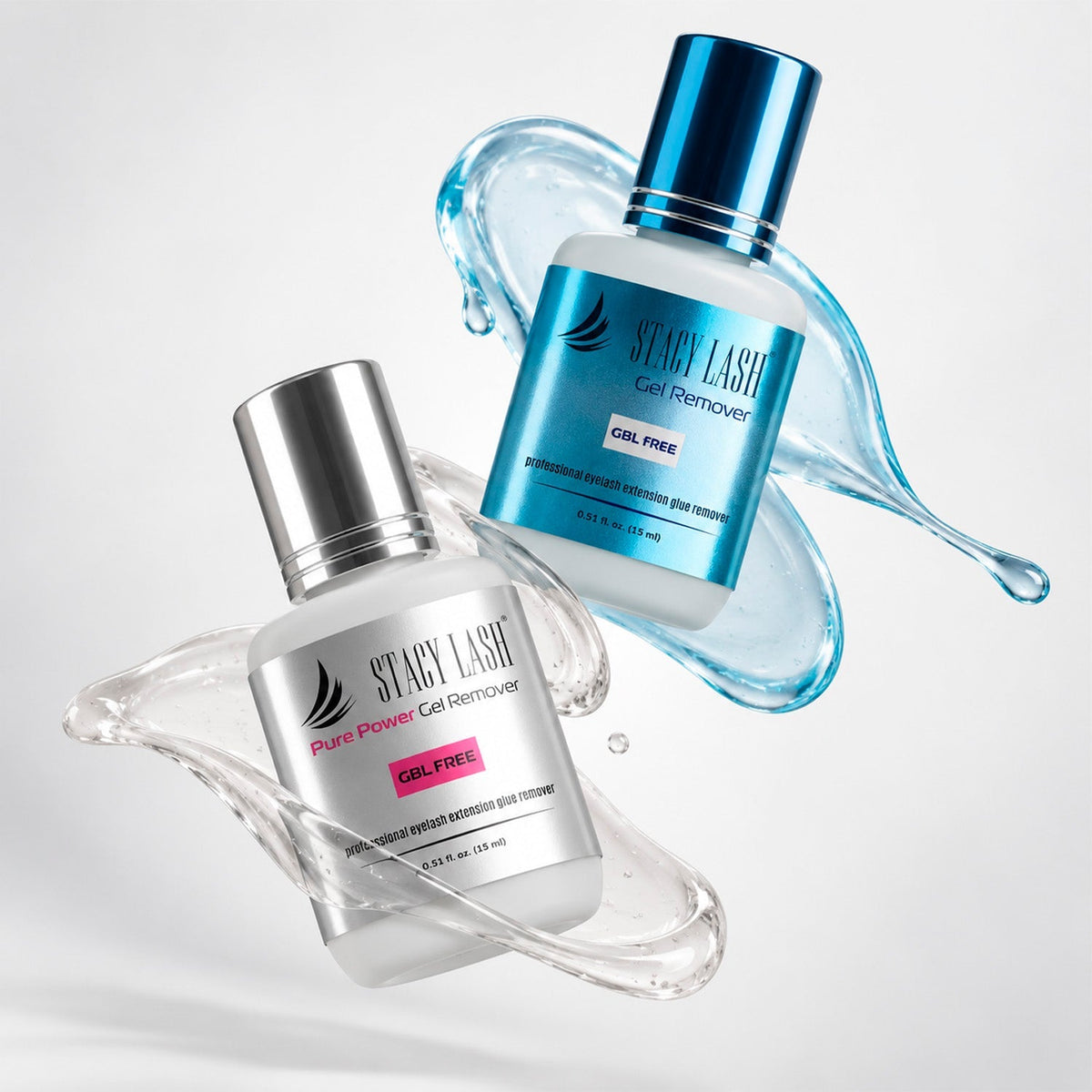
Which Eyelash Extension Remover To Choose?
Removing lash extensions sounds simple enough. Apply remover, wait, slide the extensions off, clean everything up. Except, anyone who has actually worked with lash extensions knows that removal needs to be handled with care.
One minute you’re calmly preparing your client for a fresh set. The next, you’re staring at a stubborn adhesive bond that seems to have signed a lifetime lease on those natural lashes. And the right eyelash extension remover becomes a must in here.
Gel and cream removers are both designed to break down lash adhesive, but they don’t behave exactly the same way. One is more about speed and precision. The other gives you more control and a little extra breathing room. Neither is automatically “better.” The real question is: what are you removing, where are you removing it, and how much control do you need?
Strip Lashes, DIY Clusters, or Professional Extensions — Which Are You Removing?
There’s a pretty big difference between removing a pair of strip lashes after a night out, taking off DIY clusters, and professionally removing a full set of extensions bonded to the natural lashes.
Strip lash adhesive is generally designed for temporary wear. It’s not trying to survive five weeks of oil, shampoo, sleep, workouts, humidity, and other plot twists.
Professional lash extension adhesive is another story. A professional lash glue remover needs to break down a much stronger, more durable adhesive bond. And do it without violence.
Why professional extensions require a professional approach
When you’re removing professional extensions, you want to dissolve the adhesive sufficiently so the extensions can be removed without unnecessary stress. If you’re tugging at extensions because the adhesive hasn’t broken down yet, the remover isn’t doing its job, or it hasn’t been given enough time to do it.
Cream vs. Gel Remover: Time, Strength, and Best Use Case
Gel remover makes it easier to control exactly where you place it. That’s a big deal around the eye area. A good gel remover for eyelash extensions is particularly useful when you need to target specific areas and don’t want the product wandering where it has absolutely no business being.
Gel formulas are also generally the faster option. That doesn’t mean you should treat it like microwave popcorn. The adhesive, amount of remover, placement, and condition of the extensions all matter.
Gel is a great choice when:
- You’re an experienced lash technician.
- You want a more targeted application.
- You’re dealing with a stubborn adhesive bond.
- You want the removal process to move along efficiently.
- You have good control over your lash technician tools and application technique.
Cream remover is the slower cousin, but don’t confuse slower with weaker. A cream remover for eyelash extensions has a thicker consistency that tends to stay where you put it. That makes it especially appealing when control is your number-one priority.
If gel is the sports car, cream is the luxury SUV. Cream removers can be especially comfortable for newer lash artists who are still getting used to professional removal. They give you more control and can be easier to work with when you’re removing extensions across a larger area.
So… cream vs. gel lash remover?
Choose gel when you want:
- Speed
- Precision
- Targeted application
- Efficient breakdown of a strong adhesive bond
Choose cream when you want:
- More control
- A thicker consistency
- A slower, more deliberate process
- An option that can feel more forgiving for less experienced technicians
Neither one gets a gold medal just for existing. The best remover is the one that matches your technique, the adhesive you’re dealing with, and the removal situation in front of you.
Step-by-Step Safe Removal Protocol
Having the right remover is only half the battle. You can have the fanciest product on your trolley, but you also need to know how to use it.
1. Start with clean, dry lashes and make sure you have proper eye pads and your other necessary tools ready. The remover should be applied carefully to the adhesive bond. You need enough product to properly contact the adhesive, but excessive remover can create unnecessary mess and increase the chance of the product leaking into the eyes. Use a microbrush, and work carefully.
2. Once the remover has been applied, give it time to break down the adhesive. Do not start pulling extensions five seconds later because you rush into the main part. If the extensions don’t release easily, stop. Apply additional remover if needed or allow more processing time.
The extensions should be able to slide away once the bond has sufficiently dissolved.
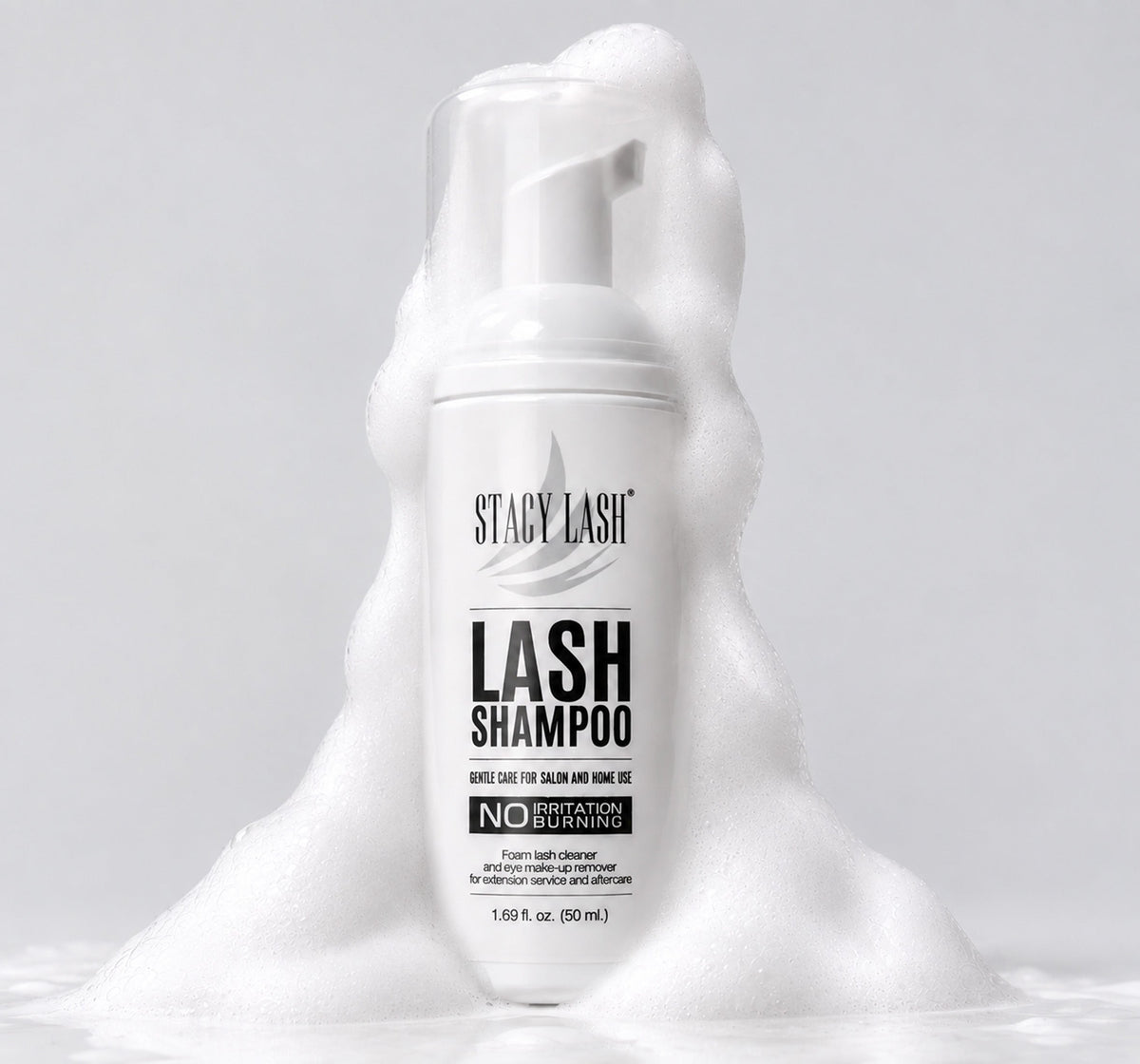
3. Once the extensions are removed, you’re not quite finished. There may still be traces of remover, adhesive residue, oils, or other product around the lashes. A gentle cleanse helps remove leftover residue and leaves the natural lashes clean.
This is also a good moment to take a proper look at the natural lashes. Are they healthy? Are there areas of excessive shedding? Does anything look unusual?
What Not to Use — Alcohol, Acetone, and Unsafe DIY Shortcuts
If someone recommends rubbing alcohol around the eye, run. If they say, “Just use acetone”, run faster.
Such harsh solvents are not appropriate substitutes for products specifically designed for eyelash extension removal. The eye area is delicate, so is the skin around it. And natural lashes are delicate, too.
Can you remove lash extensions with oil?
You’ll also see plenty of DIY advice suggesting oils, steam, hot showers, or various household products. Some substances may affect adhesive over time, but that does not make them a professional lash glue remover.
And if your client is asking, “How to remove eyelash extensions at home?” the safest answer for professionally applied extensions is still: have them removed by a trained lash technician. Especially if the set uses professional adhesive.
Why DIY removal can backfire
The biggest problem with DIY removal isn’t necessarily that the extensions won’t come off. It’s how they come off. No one should mess with natural lash health. So, is it safe to remove eyelash extensions yourself?
For professionally applied extensions, DIY removal is not recommended. A trained professional has the right products, tools, lighting, positioning, and technique to control the process safely.
Professional vs. Consumer Removers — What Lash Techs Should Stock
If you’re a lash technician, your remover shouldn’t be an afterthought hiding somewhere at the bottom of your trolley between old tape and a tweezer case. It’s one of your essential tools.
A professional setup should include a reliable remover that matches your technique, plus the tools needed to apply it precisely.
- Professional eyelash extension remover
- Microbrushes or appropriate lint-free applicators
- Eye pads and tape
- Clean tweezers
- Lash cleanser
- Disposable supplies
- Proper sanitation products
And ideally, don’t limit yourself to one remover texture just because you’ve always used it. Different clients and different situations call for different approaches.
Which one is the best
Gel gives you speed and precision. Cream gives you control and a slower pace. Both can be useful when they’re used correctly.
The real skill is knowing when to reach for which one, and knowing when to stop trying to force the process.
Because great lash work is about being the person whose client leaves thinking, “Wow, that was easy.” And that usually happens when you let the professional remover do its job instead of trying to fight the adhesive like it owes you money.
FAQ
Q: Can I use nail polish remover or rubbing alcohol to remove lash glue?
A: No. Professional lash adhesives are designed to create a durable bond, so use a remover specifically formulated for breaking down that adhesive.
Q: How long does gel remover take to dissolve professional adhesive?
A: The exact timing depends on the remover, adhesive, amount of product, and application. Approximately 1–3 minutes, but the technician should always monitor the adhesive rather than relying on a stopwatch alone.
Q: Is DIY cluster lash removal different from professional extension removal?
A: Yes. DIY clusters may use adhesives with very different formulas and wear times, so you shouldn’t automatically treat them exactly like professionally applied individual extensions.
Q: What is the best remover for stubborn lash glue?
A: For professional lash extensions, a professional remover designed to break down lash adhesive is the right starting point. Gel removers can be particularly useful when you need a fast, targeted approach to a stubborn adhesive bond.But remember: stubborn glue doesn’t mean you should apply more and pull harder. It means slow down, apply the remover correctly, give it time, and let chemistry do its thing.
Q: Can lash remover affect lash retention?
A: During removal, improper technique can cause unnecessary pulling or damage to natural lashes. That’s why controlled application and sufficient processing time matter.
Q: Is gel always better than cream?
A: Nope. That would be way too easy. Gel is generally the go-to when you want speed and precision, while cream can be a great option when you want a thicker, more controlled formula and a slower working pace.
Q: Can I remove only a few extensions instead of the whole set?
A: Yes, a professional technician can perform a partial removal when appropriate.
Q: What should I do after removing extensions?
A: Cleanse the lashes gently to remove remaining remover and adhesive residue, then assess the natural lashes before deciding what comes next.




1 comment
This article cleared up so much confusion for me! I always wondered when to use gel versus cream removers. The tips about patience and not overloading the lashes with product are absolute lifesavers. Thanks for sharing these professional insights!
Emily
Leave a comment
This site is protected by hCaptcha and the hCaptcha Privacy Policy and Terms of Service apply.